Voyager 1 Instrument Shutdown Saves 4W at 15 Billion Miles
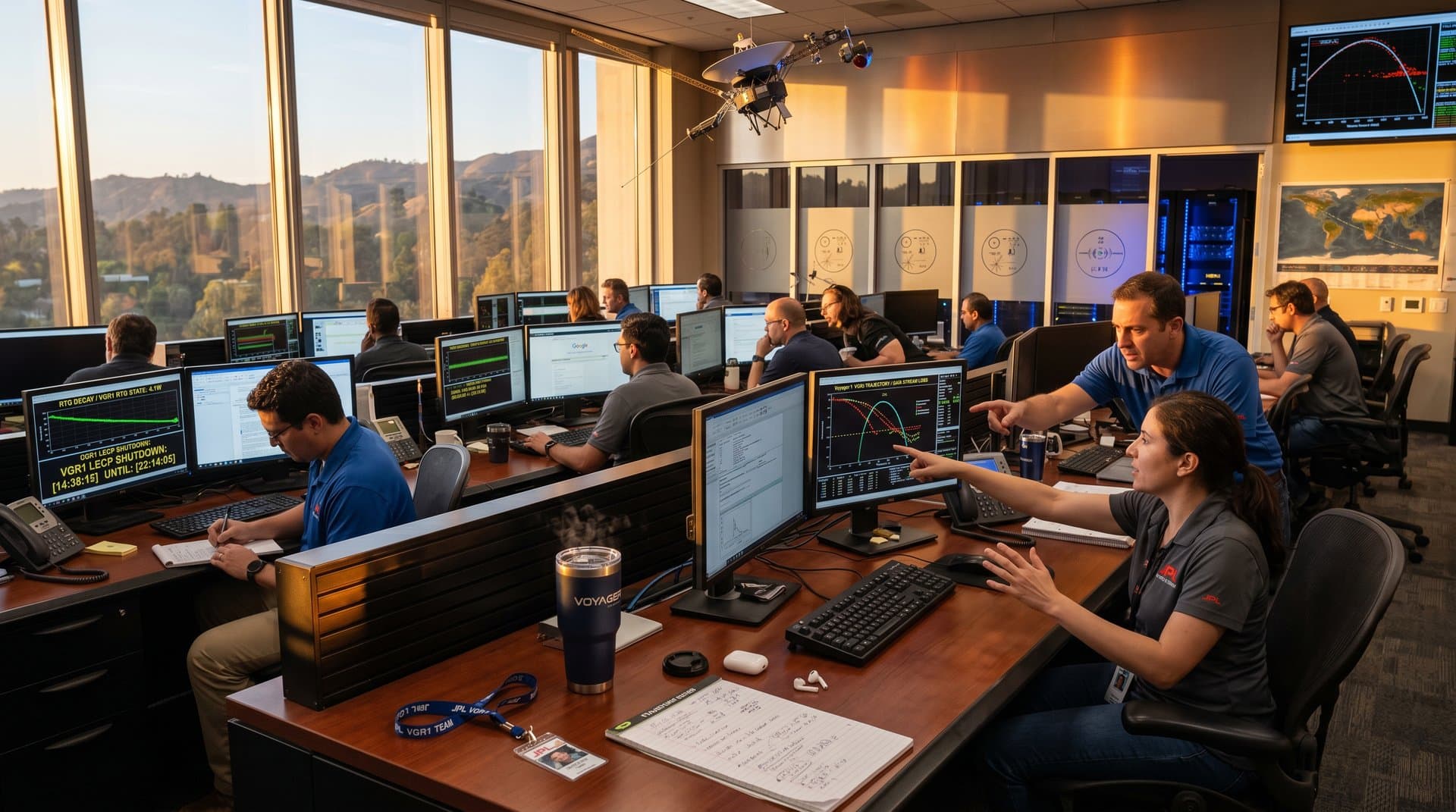
NASA JPL disables Voyager 1's LECP instrument to conserve 4 watts yearly from RTG decay. The move extends the 49-year mission and informs space tourism power systems.
Loading...

FAA launches bids for AI to aid air traffic controllers managing 50,000 daily flights. Airlines cut fuel costs; travelers see fewer delays and safer routes.

Molotov cocktail attack on OpenAI CEO Sam Altman's $27M home raises alarms for Pacific Heights luxury hotels, where nightly rates average $450 USD amid rising security demands.

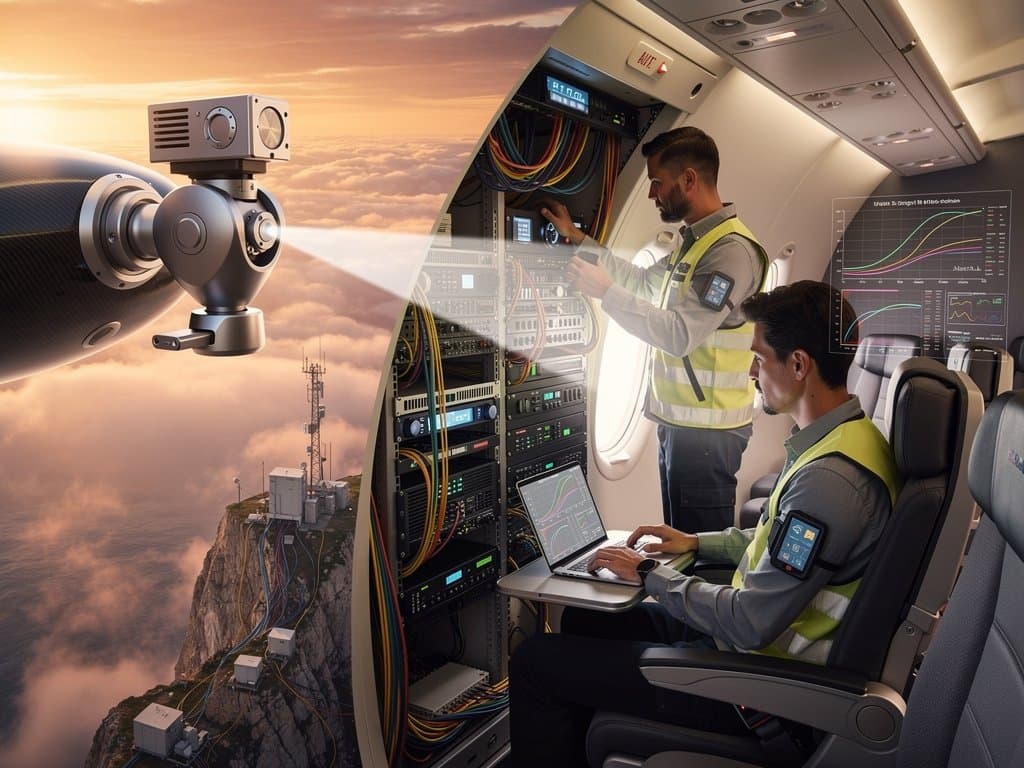
NIST's tunable any wavelength lasers promise 1 Gbps in-flight WiFi at 35,000 feet, turning 12-hour transpacific flights into high-speed work zones for digital nomads.

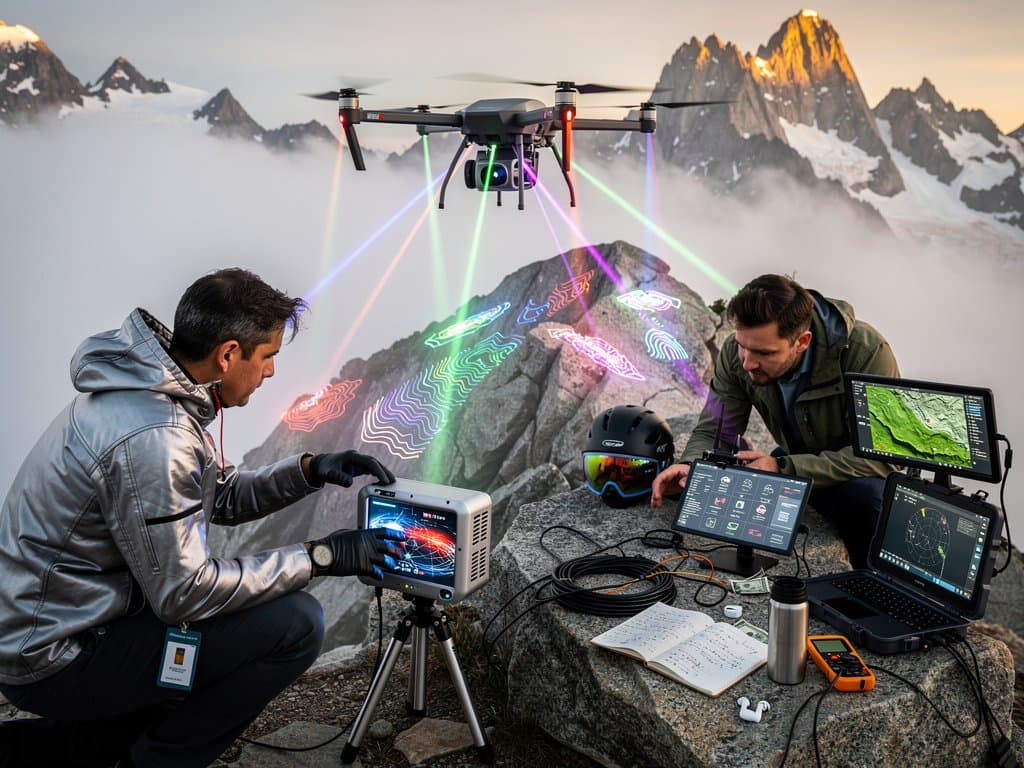
NIST any wavelength lasers power fog-piercing drone LIDAR for safer aerial tours. BTC falls 1.8% to $75,817 as travel tech funding hits $1.2B in Q3 2024.

Cornell instructor Grit Matthias Phelps deploys 50 thrift-shop typewriters to block AI essays and foster authentic travel narratives with sensory details and logistics.

Fuzix OS 0.4 release supports 128K RAM on RC2014 platforms. Budget nomads deploy offline itinerary tools and converters for $129 setups, slashing data costs in remote areas.

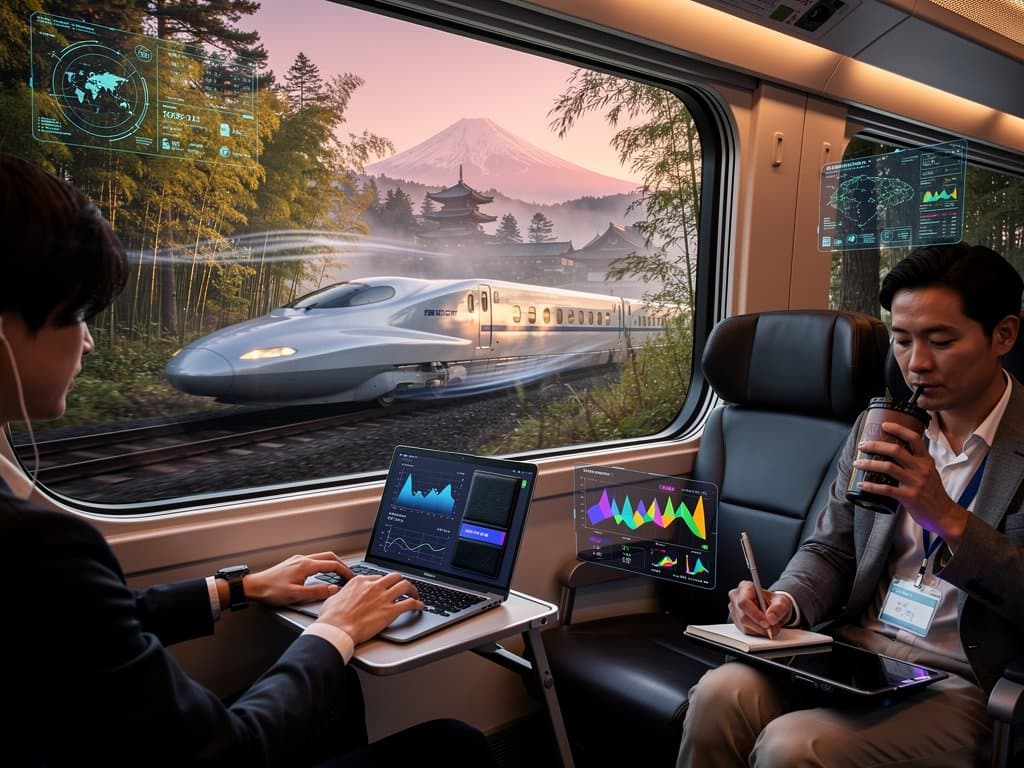
Japan Railways tech leads with 28% global high-speed rail share via Shinkansen AI and stablecoin payments. Digital nomads leverage USDT for JR passes amid Bitcoin's $75,830 price (Oct 10, 2024).

Japan's railways command 28% of passenger kilometers via privatization, AI tech, and real estate revenue, far outpacing the US's 0.25% share. Efficient networks deliver seamless travel logistics.

Jetstream AI graphs predict AI transformation of global travel experiences by 2026. Crypto fear at 26 and Bitcoin at $75,706 shape funding for personalized adventure tools.

France pushes euro stablecoins to cut dollar fees for tourists. Adventure travelers save $20-50 daily on Alps treks and Dordogne rafting.

Japan railways lead with 28% global passenger km share via JR East scale and Shinkansen technology. Privatization boosts efficiency for precise high-speed travel in 2026.