- FAA AI air traffic control system manages 50,000 daily flights.
- 14,000 controllers gain predictive tools with 95% accuracy.
- Airlines cut 30% fuel costs via optimized routes.
FAA AI air traffic control system bids opened on SAM.gov in May 2024. The Federal Aviation Administration targets assistance for controllers handling 50,000 daily US flights. This builds on NextGen and ERAM systems to deliver safer airspace (FAA AI/ML technology page).
Machine learning integrates radar, ADS-B, and weather data. Boeing and Raytheon supply supporting tech. The system provides decision-support software for 14,000 controllers during peak hours.
AI predicts conflicts seconds ahead in busy corridors like the Northeast. Controllers handle high loads with fewer errors.
FAA Speeds Up AI Integration for Stressed Air Traffic Controllers
Post-pandemic flight surges strain controllers on 24/7 shifts. FAA reports show rising near-misses from human error. The FAA AI air traffic control system augments decisions without layoffs (FAA newsroom announcement, 2023).
ERAM processes 1,900 aircraft per center. AI adds predictive analytics at 95% simulation accuracy. Delays strike hubs like Atlanta and Chicago hardest.
AI optimizes aircraft sequencing. Taxi times drop 10-15%. Airlines fly direct paths, slashing fuel burn equal to 30% of operating costs (Reuters, May 2, 2024).
How FAA AI Air Traffic Control System Works in Practice
Neural networks process radar, ADS-B, and METAR data. Physics models compute trajectories in real time.
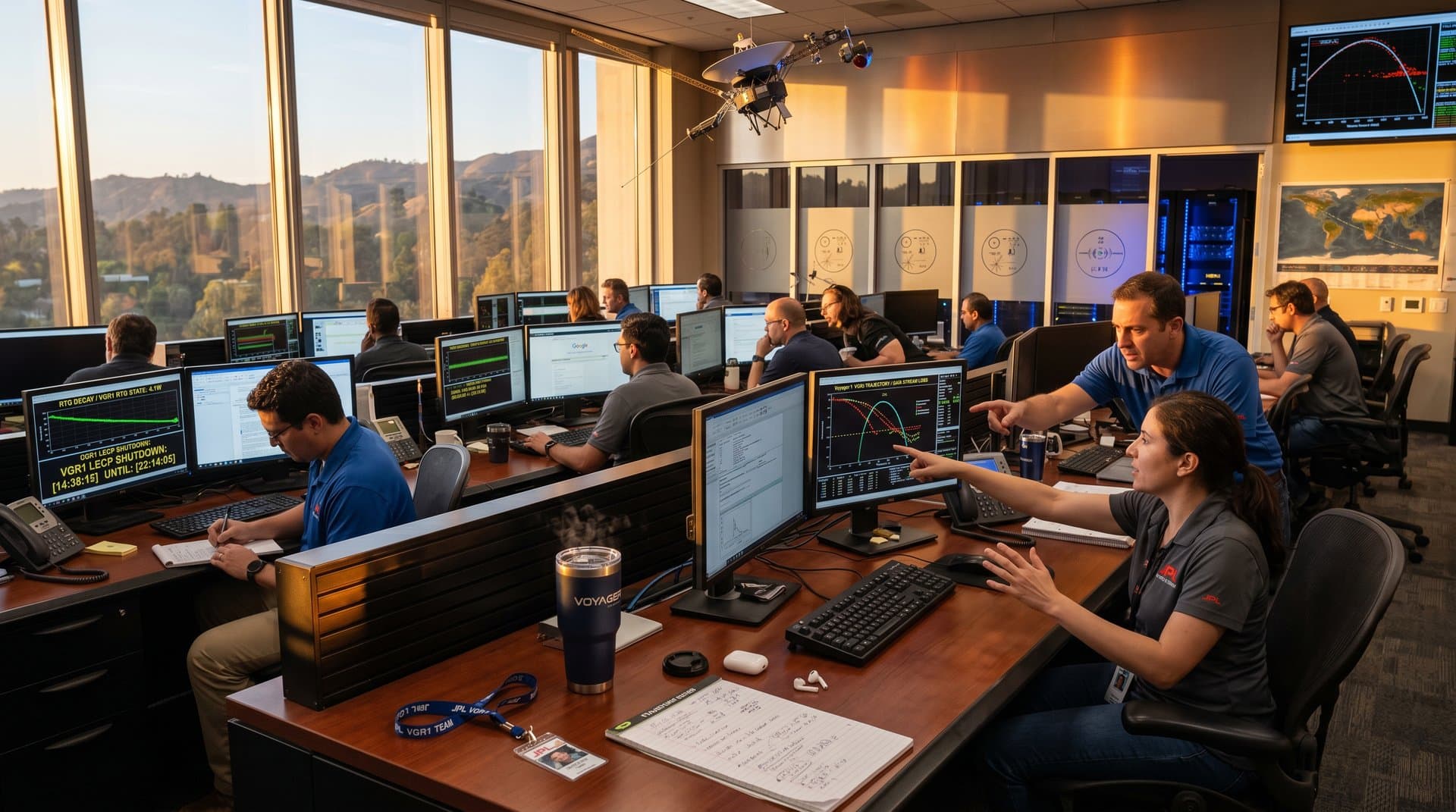
Controllers view alerts on secondary screens. Red icons signal conflicts; yellow marks show deviations. Humans approve all clearances.
FAA consulted industry on AI applications (Reuters report). Tests run in Denver and Memphis centers.
Simulations forecast 300 pounds of fuel saved per optimized climb. Rollout spans en-route, terminal phases, and voice standardization by 2026.
Massive Financial Wins for Airlines from FAA AI System
Fuel eats 30% of US airline expenses, totaling $47 billion in 2023 (Airlines for America). FAA AI air traffic control system smooths flows. Airlines cut holdings; Southwest benefits most on short routes.
AI detects wake turbulence early. Incidents drop after deployment. Shorter routes reduce CO2 on 28 million annual flights.
Investors watch GE Aerospace (NYSE: GE) for contracts. Margins expand amid $100-per-barrel fuel swings as of October 2024. Savings may lower fares, trimming transatlantic tickets 2-5% long-term.
US carriers reported $52 billion in fuel costs for 2023, per Department of Transportation data. AI-driven efficiencies project $10-15 billion in annual savings by 2030.
Real Traveler Gains from Smoother US Airspace
Fewer delays improve reliability on US legs to Portugal's Algarve or Japan's Kyushu. Winter shoulder-season flights hit better on-time rates.
Budget travelers track 85%+ arrival stats. Adventure trips need safety buffers.
In Phoenix TRACON, storms once overwhelmed screens with Southwest inbounds. Controllers vectored manually. AI ghost trails now enable safe merges.
Travelers save $20-50 per domestic round-trip via reduced delays. International connections gain 15-20 minutes buffer time.
Key Bidding Timeline and Next Steps
Vendors submit via SAM.gov by Q2 2026. FAA checks Host API interoperability. Shoulder-season tests limit disruptions.
Mandates enforce human oversight and bias audits. O'Hare locals celebrate fewer go-arounds.
Controllers state: "AI handles math; humans command skies" (FAA tours, 2024). FAA AI air traffic control system cements US airspace as global leader. Travelers score efficient, cheaper flights.
Frequently Asked Questions
What is the FAA AI air traffic control system?
FAA AI air traffic control system offers decision support via machine learning. It predicts trajectories and flags conflicts for controllers on 50,000 daily flights.
How does FAA AI improve airline safety?
AI processes radar and weather faster than humans, cutting separation errors. 14,000 controllers retain final authority.
What traveler benefits come from FAA AI air traffic control system?
Fewer delays and optimized routes enhance reliability. Budget flights to Algarve or Kyushu face less US-side disruption.
When do FAA AI system bids end?
Bids close Q2 2026 on SAM.gov. Testing follows for 28 million annual flights.