- Webloc tracks up to 500 million devices via carrier data.
- Authorities queried one resident's location 12 times daily.
- Hackers stole 300 million records from nine Mexican agencies.
Citizen Lab reveals Webloc tracks 500 million mobile devices globally via carrier data (October 2024 report). Privacy advocates demand banning precise geolocation sales. Penlink sells access to governments and firms after 2023 Cobweb merger. Travelers face surveillance via safety apps.
Abu Dhabi queried one resident's precise geolocation 12 times daily through Webloc (Citizen Lab, October 2024). U.S. Department of Homeland Security buys access. Users search by name, email, or phone to profile activities and geolocate social posts.
Hackers breached nine Mexican agencies with similar tools, stealing 300 million records (Gambit report, 2024).
Precise Geolocation Risks Hit Adventure Travel Tools
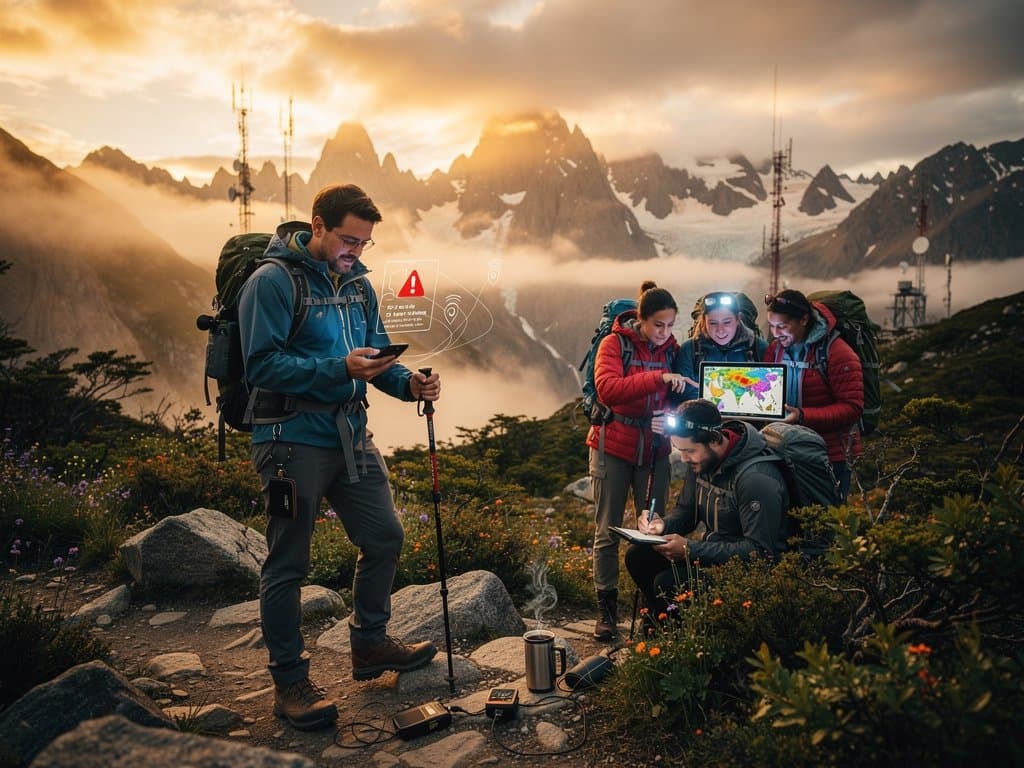
Precise geolocation powers Garmin inReach SOS beacons ($399 USD at garmin.com, October 2024) and Strava heatmaps ($59.99 USD/year premium). Hikers navigate Patagonia amid jagged peaks and biting icy winds. Divers scout Indonesia's turquoise currents teeming with reef fish.
Brokers like Penlink's Webloc parse photo metadata to sell event routes. Risk scores 4/5 in off-grid areas where signals fade but carrier logs persist (Citizen Lab, 2024).
EU MiCA rules target brokers with fines up to 6% of global revenue starting January 2026. U.S. lags, boosting decentralized apps. Ethereum proof-of-stake (September 2022) secures location dApps at $0.50 USD average transaction (Etherscan, October 2024).
How Webloc Tracks 500M Devices with Carrier Data
Webloc aggregates global carrier records and links identifiers to social posts, photos for precise geolocation. Penlink's Tangles adds network profiles.
Buyers get movement alerts and target cards. One query yields 12 daily tracks (Citizen Lab, 2024).
- Feature: Keyword Search · Description: Names/emails/phones · Travel Risk: Profiles hotel stays
- Feature: Post Analysis · Description: Geolocated photos · Travel Risk: Maps dive sites
- Feature: Target Cards · Description: Activity profiles · Travel Risk: Enables stalking
- Feature: Alerts · Description: Real-time moves · Travel Risk: Off-grid threats
Lawfare analysis details leaked documents showing Google API limits bypassed by carrier deals (October 2024).
Block Precise Geolocation Exposure: Traveler Privacy Kit
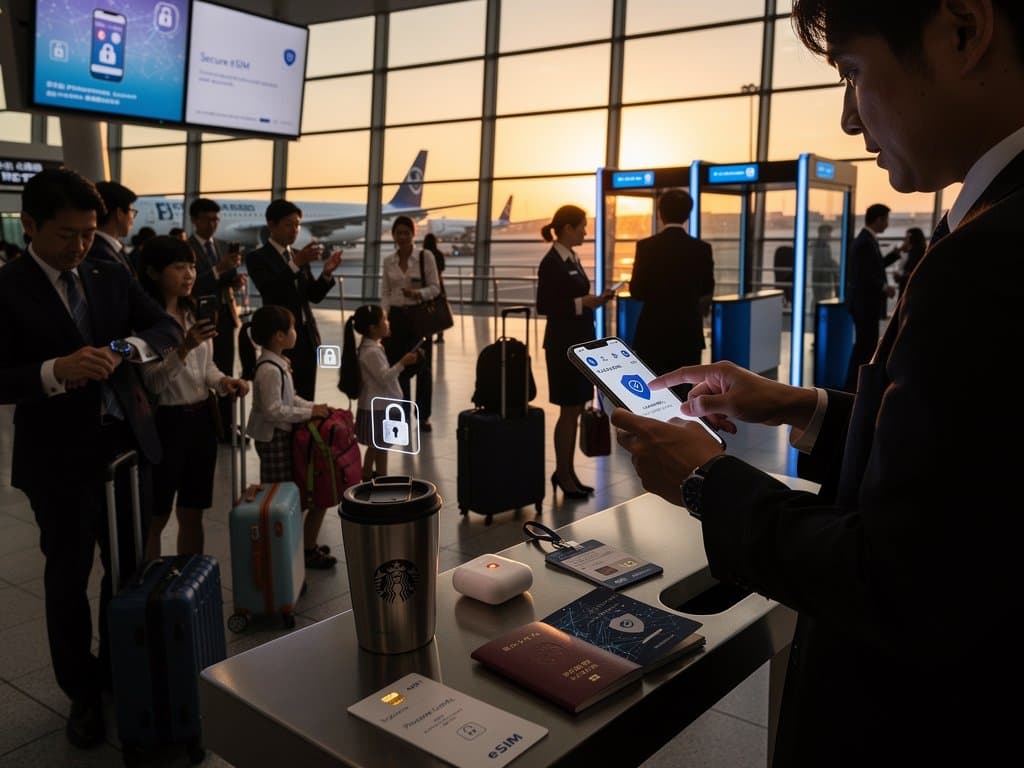
Privacy Kit (450g total, $185 USD):
- Disable precise geolocation in iOS/Android (free, 1 min).
- GL.iNet Slate AX VPN router ($149 USD at gl-inet.com, Wi-Fi 6 to 2976 Mbps).
- Faraday pouch ($19.99 USD Amazon, blocks signals).
- Airalo eSIM ($9.50 USD/week, 1GB, 200+ countries).
Audit apps pre-trip. Share coarse locations via Signal (free, encrypted). Divers anonymize Shearwater Perdix 2 ($1,199 USD, shearwater.com). Hikers use AllTrails offline (free).
Garmin inReach uses satellites ($14.95 USD/month, no carriers).
Breaches Fuel Precise Geolocation Sales Ban Push
Mexican hacks exposed 300 million records (Gambit, 2024). Penlink's DHS deals raise overreach fears. EFF guidelines highlight perpetual tracking risks (February 2023).
Blockchain counters: Solana oracles at $0.00025 USD/tx (Solana docs, 2024). Revolut adds zero-knowledge proofs for check-ins (app v10.0, October 2024).
Crypto reacts: Bitcoin $77,293 USD (+3.5%), Ethereum $2,418 USD (+3.8%) per CoinMarketCap (October 11, 2024). Monero volume up 15%.
Secure Travel Tech from Precise Geolocation Brokers
Choose Apple's Find My (Bluetooth, free). Urban risk 2/5; off-grid 4/5.
Pack kit under 500g. EU MiCA starts 2026. Wired covers U.S. bills (October 2024). Keep precise geolocation data private.
Frequently Asked Questions
What are precise geolocation data sales?
Brokers like Penlink sell location data from 500 million devices. Webloc enables profiling via personal searches. Travelers risk surveillance on safety apps.
How does Webloc enable precise geolocation tracking?
It searches carriers by identifiers for posts and photos. Builds profiles with 12 daily queries possible (Citizen Lab, 2024).
Why ban precise geolocation sales for travelers?
DHS use and Mexican hacks (300M records) expose risks. Protects remote adventure tools like Garmin beacons.
How to protect travel tech from precise geolocation sales?
Use VPNs ($150), Faraday pouches ($20), on-device apps. Audit permissions pre-trip; share coarsely via Signal.