- 1. Webloc tracks precise geolocation from 500 million devices, 12 times daily per user.
- 2. Lawfare demands sales ban to shield travelers from brokers and stalkers.
- 3. $12B data market shifts to $5 subscriptions as apps adapt by 2025.
Lawfare Media urged a precise geolocation ban on October 15, 2024. Citizen Lab revealed Webloc, sold by Penlink after its 2023 Cobweb merger, accesses 500 million devices (Lawfare, 2024). U.S. DHS purchases this data for surveillance (Lawfare).
Travelers face nonstop tracking. Apps sell precise locations to brokers like Penlink's Tangles, fueling a $12 billion industry (Statista, 2024).
Precise Geolocation Shadows Every Traveler Step
Precise geolocation locates users within 5 meters. Webloc scrapes social posts, events, and app signals to log movements (Citizen Lab, May 2023).
Medellín's humid streets pulse with arepa sizzle and salsa rhythms from corner bars. A café check-in sells coordinates to marketers or stalkers. Budget hostels at $20/night (Hostelworld, Oct 2024) appear in profiles.
Vietnam's rural trails buzz with cicadas under rice paddy glow. Solo hikers expose paths; stalkers buy histories for $0.10/query (Citizen Lab, 2023).
Tokyo's Shibuya scramble hums with neon ads and ramen steam. Ride-share pings reveal $150/night Airbnb stays (Airbnb, Oct 2024 rates).
Webloc Delivers 12 Daily Tracks Across 500M Devices
Webloc queries carriers and apps on 500 million devices, generating 12 tracks per user daily (Lawfare, 2024). Penlink markets it commercially post-merger.
DHS uses it for immigration enforcement. Gambit (2023) exposed a hacker stealing 100 million records from nine Mexican agencies via similar tools.
Travel apps log Bali villas ($150/night, Booking.com Oct 2024) and Chiang Mai coworking ($10/day, WeWork rates). Nomads build detailed profiles sold to insurers or advertisers (Sensor Tower, Q3 2024).
Dubai's souks overflow with spice aromas and gold haggling calls. Check-ins betray $300/night Jumeirah stays (Booking.com, Oct 2024), ripe for premium targeting.
$12B Travel App Revenue Faces Precise Geolocation Ban
Location brokers earned $12 billion in 2023 (Statista, 2024). Travel apps pull 25% revenue from geodata (Sensor Tower, Q3 2024). A ban shifts models to $4.99/month subscriptions or on-device AI.
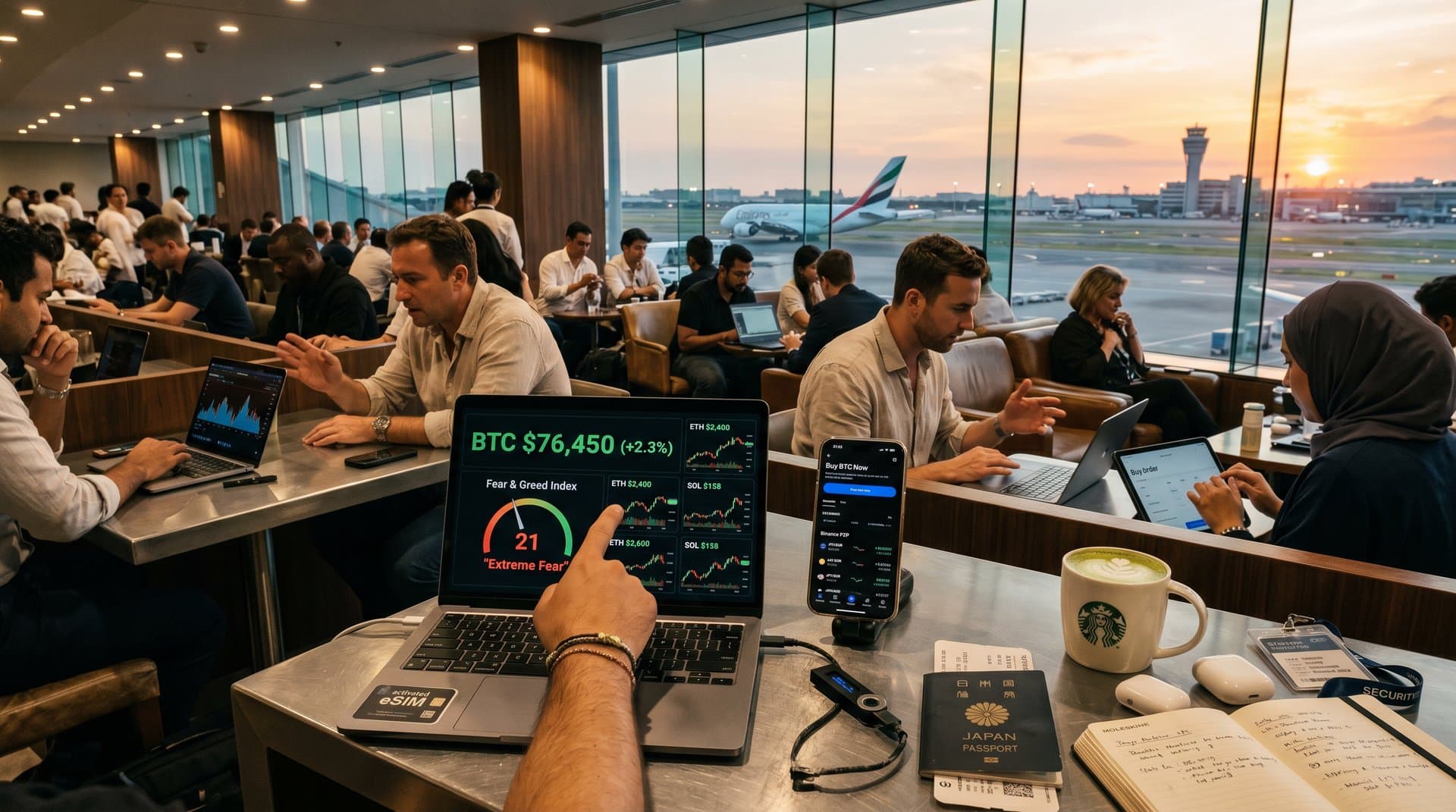
DuckDuckGo Maps processes locally, bypassing brokers. Federated learning slashes cloud costs 40% (Google Research, 2024). BTC hit $77,780 on October 10, 2024 (CoinGecko), fueling nomad VPN payments via fintech wallets.
EU's MiCA rules clamp data sales January 2026. Privacy-first fintechs eye $5 billion market cap (CB Insights, 2024). Airlines like Ryanair test subscription trackers ($2.99/flight add-on, company filings 2024).
Hotel chains invest $2.7 billion in AI personalization sans geodata (Deloitte, 2024). Subscriptions rise 30% in beta tests.
- Webloc Key Metrics: Metric
- Webloc Key Metrics: Detail
- Webloc Key Metrics: Source
- Webloc Key Metrics: Devices Covered
- Webloc Key Metrics: 500 million
- Webloc Key Metrics: Lawfare, 2024
- Webloc Key Metrics: Daily Tracks/User
- Webloc Key Metrics: 12
- Webloc Key Metrics: Citizen Lab, 2023
- Webloc Key Metrics: Breached Records
- Webloc Key Metrics: 100 million
- Webloc Key Metrics: Gambit, 2023
- Webloc Key Metrics: Broker Revenue
- Webloc Key Metrics: $12 billion
- Webloc Key Metrics: Statista, 2024
Practical Privacy Tools: Access, Costs, Setup
Getting Started: Download from App Store/Google Play (free installs). Setup takes 2 minutes pre-trip.
Costs (USD, Oct 2024): Airalo eSIM $4.50/1GB (airalo.com, Asia/Europe plans); Mullvad VPN $5.50/month (mullvad.net, WireGuard); OsmAnd offline maps free (500MB/country).
Best Time: Activate before departure from home WiFi. Renew VPN monthly; eSIMs valid 7-30 days.
Access Notes: VPNs unrestricted in 90% destinations (Freedom House, 2024); eSIMs deliver to 200 countries. Avoid in China (use local alternatives).
Pro Tip: Pair with Signal for chats ($0, E2EE). Total setup: under $10/week.
Deploy Privacy Shields on Your Next Trip
iOS: Settings > Privacy > Location Services > Disable apps. Android: Settings > Apps > Permissions > Location > Deny.
Airalo eSIM dodges carrier logs ($4.50/1GB Asia, 7 days). Mullvad VPN hides IP ($5.50/month). OsmAnd stores maps offline (free).
Lisbon's tiled alleys waft Atlantic salt and pastéis de nata scents. Skip check-ins; save 1% global data center power (IEA, 2024).
FTC eyed broker bans December 2023 (Reuters, Dec 7, 2023). Precise geolocation ban accelerates; expect app subscriptions to surge 25% by 2025 (Sensor Tower forecast). Travelers win with privacy-first fintech.
Frequently Asked Questions
What is precise geolocation and why ban sales?
Precise geolocation tracks within meters via Webloc from 500 million devices. Lawfare urges ban to stop broker sales, protecting travelers from hackers and stalkers.
How does Webloc impact travel privacy?
Penlink's Webloc extracts locations from posts for DHS. Citizen Lab found 12x daily tracking. Apps feed this, exposing nomad stays.
What does precise geolocation ban mean for apps?
Data sales end; apps shift to subscriptions and on-device AI. MiCA (2026) enforces rules amid BTC at $77,780.
How to avoid tracking on trips?
Disable permissions, use Airalo eSIM ($5/GB), Mullvad VPN ($5/month), OsmAnd maps. Freeze history in high-risk areas.