- 1. Lawfare urges ban on precise geolocation sales from 500M devices (Citizen Lab, 2023).
- 2. Webloc enables 12 daily pings for USD 0.10 stalking queries by brokers.
- 3. Gambit Project (2024) details hackers stealing millions from 9 Mexican agencies.
Lawfare demands lawmakers ban the sale of precise geolocation from 500 million mobile devices. Citizen Lab's 2023 report exposes Penlink's Webloc tool. The U.S. Department of Homeland Security (DHS) buys it for surveillance. Data brokers sell exact coordinates for USD 0.10 per query, per Lawfare analysis (October 2024).
Apps ping locations 12 times daily on hikes or beach walks. Citizen Lab details one Abu Dhabi resident's constant tracking. Brokers earn USD 200 million yearly from sales, according to Data Broker Association estimates (2024).
Webloc Delivers Meter-Accurate Tracking Across 500 Million Devices
Webloc pinpoints users within 5 meters via ad networks and background apps. After the 2023 Cobweb merger, it queries names or emails for movement profiles. Leaked manuals link social media to real-time locations (Citizen Lab, 2023).
Romanian protests and Italian festivals revealed devices tracked to exact venues. Governments profile crowds. Rivals stalk executives. Travel apps expose remote Patagonian trails to cheap queries.
Utah-based Penlink sells Webloc to DHS for border enforcement (Penlink.com, November 2024).
Data Brokers Collect Nonstop Pings from Global Apps
Webloc aggregates signals from 500 million devices. Citizen Lab leaks show ad ID collection. Phones report locations continuously, even during airplane mode gaps.
Hackers breached nine Mexican agencies in 2024. They stole millions of geodata records via AI analysis, Gambit Project reports. Insurers purchase hiker altitudes from fitness apps to raise premiums.
- Tracking Metric: Devices Covered · Details: 500 million · Source: Citizen Lab (2023)
- Tracking Metric: Ping Frequency · Details: Up to 12 daily · Source: Citizen Lab (2023)
- Tracking Metric: Mexican Breaches · Details: 9 agencies · Source: Gambit Project (2024)
- Tracking Metric: Annual Broker Revenue · Details: USD 200 million · Source: Data Broker Association (2024)
Digital Nomads Face Stalking Risks in Remote Destinations
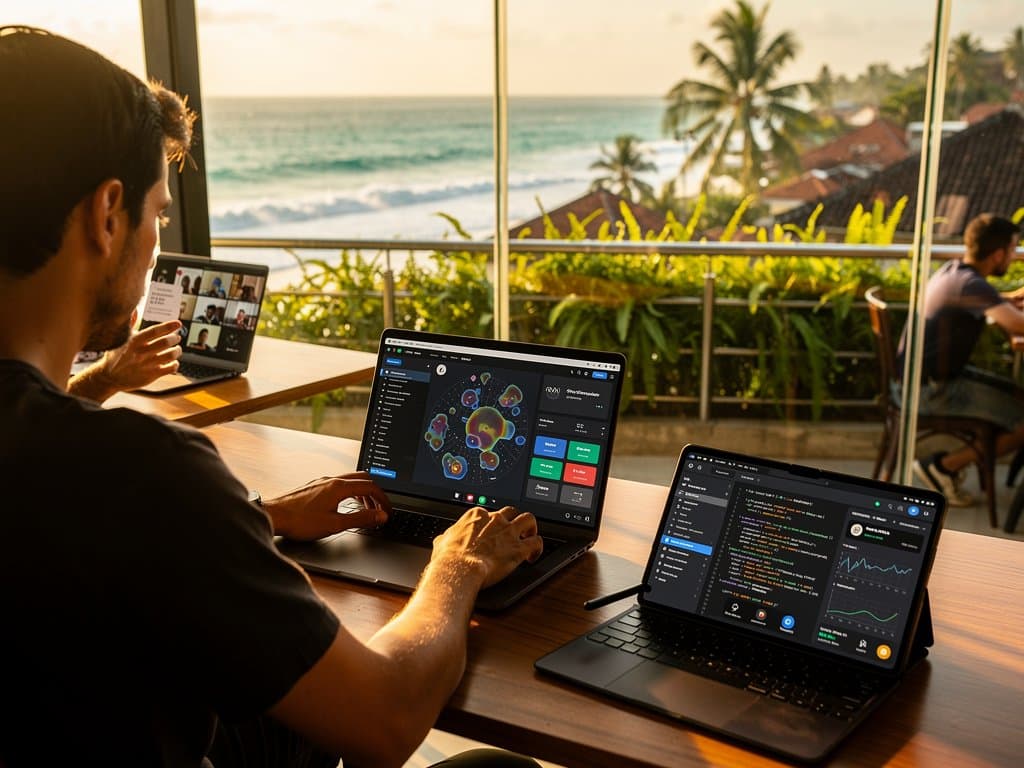
Digital nomads post from Bali cafes and leak hotel pins via precise geolocation. Stalkers buy data for USD 0.10. Thai divers expose shipwreck sites to poachers, threatening marine ecosystems.
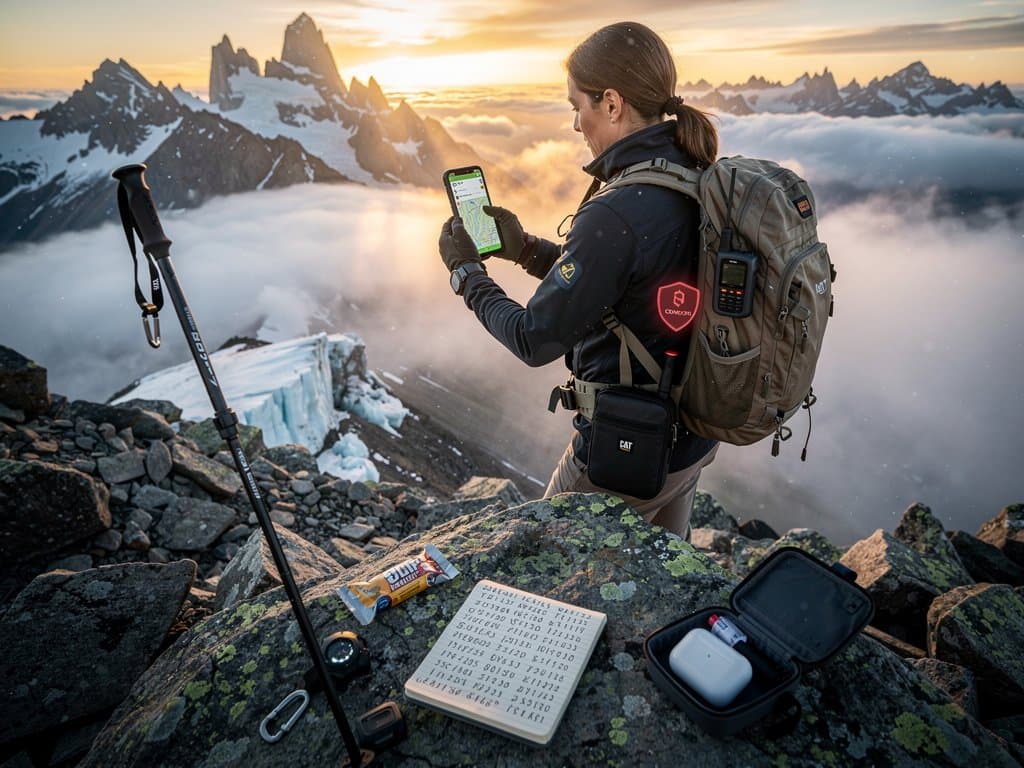
DHS uses Webloc at borders. Data lingers after clearance, Lawfare FOIA analysis shows (2024). Picture crunching gravel on a misty Andean trail at dawn. Eucalyptus scents fill the air. Your phone reveals the exact bend to buyers.
Proposed Ban on Precise Geolocation Sales Halts Commercial Abuse
Lawfare targets sales like Penlink's Webloc. Governments need warrants for access. Nomads travel freely. Adventure spending rises 15%, Travel Fintech Report states (2024).
Brokers shift to aggregated data. Blockchain anonymizes feeds. EU MiCA rules start January 2026 (European Commission, 2024).
On Patagonian treks, fog hugs ferns. Wind howls through peaks. Disable location services immediately. Layer defenses for full protection.
Privacy Difficulty: 3/5. Beginners tweak apps. Experts automate VPNs.
Essential Steps to Secure Locations on Adventures
Turn off services before flights. Activate airplane mode on trails. Signal app hides metadata.
Recommended Gear:
- Faraday pouch blocks signals (100g, USD 20, available on Amazon)
- Mullvad VPN (USD 5/month, mullvad.net)
- Airalo eSIM (USD 10/10GB, airalo.com)
- Gaia GPS offline maps (USD 40/year, gaiagps.com)
Total kit weighs under 300g. Daily cost equals USD 5-15. Audit apps four weeks before departure.
Traveler Privacy Box
- Getting There: Download via global app stores (iOS/Android)
- Costs: USD 5-15/day equivalent
- Best Time: Pre-departure planning
- Access Notes: Instant subscriptions, no visa required, English/20 languages supported
Delete histories after trips. U.S. embassies outline CCPA data rights.
Ban Precise Geolocation Sales to Unlock Safer Travel Economics
AI hackers pulled millions from Mexican systems (Gambit Project, 2024). Webloc sets movement alerts. The ban breaks broker chains.
U.S. bills advance in Congress. Travel tech prioritizes privacy by design. Equip yourself. Secure paths open as regulations strengthen (Lawfare, 2024).
Frequently Asked Questions
What is Webloc?
Penlink's Webloc accesses precise geolocation from 500 million devices. Users query names for profiles. DHS buys it, per Citizen Lab (2023).
Why ban the sale of precise geolocation for travelers?
Stops stalking via 12x daily pings. Citizen Lab shows event pinpointing. Protects adventures from USD 0.10 data sales.
How does ban affect travel apps?
Shifts to aggregated data. VPNs block sales. Nomads secure routes post-ban.
What breaches highlight risks?
Hackers hit 9 Mexican agencies, stole millions via AI on geodata, Gambit Project (2024).