AI Deceptions in Travel Tech Spark User Fury
AI tools in travel apps push fake $299 Lisbon flights and hallucinated Patagonia treks. Travelers fight back with verification tactics, blockchain payments, and vetted tools to cut $150 average losses.
Loading...

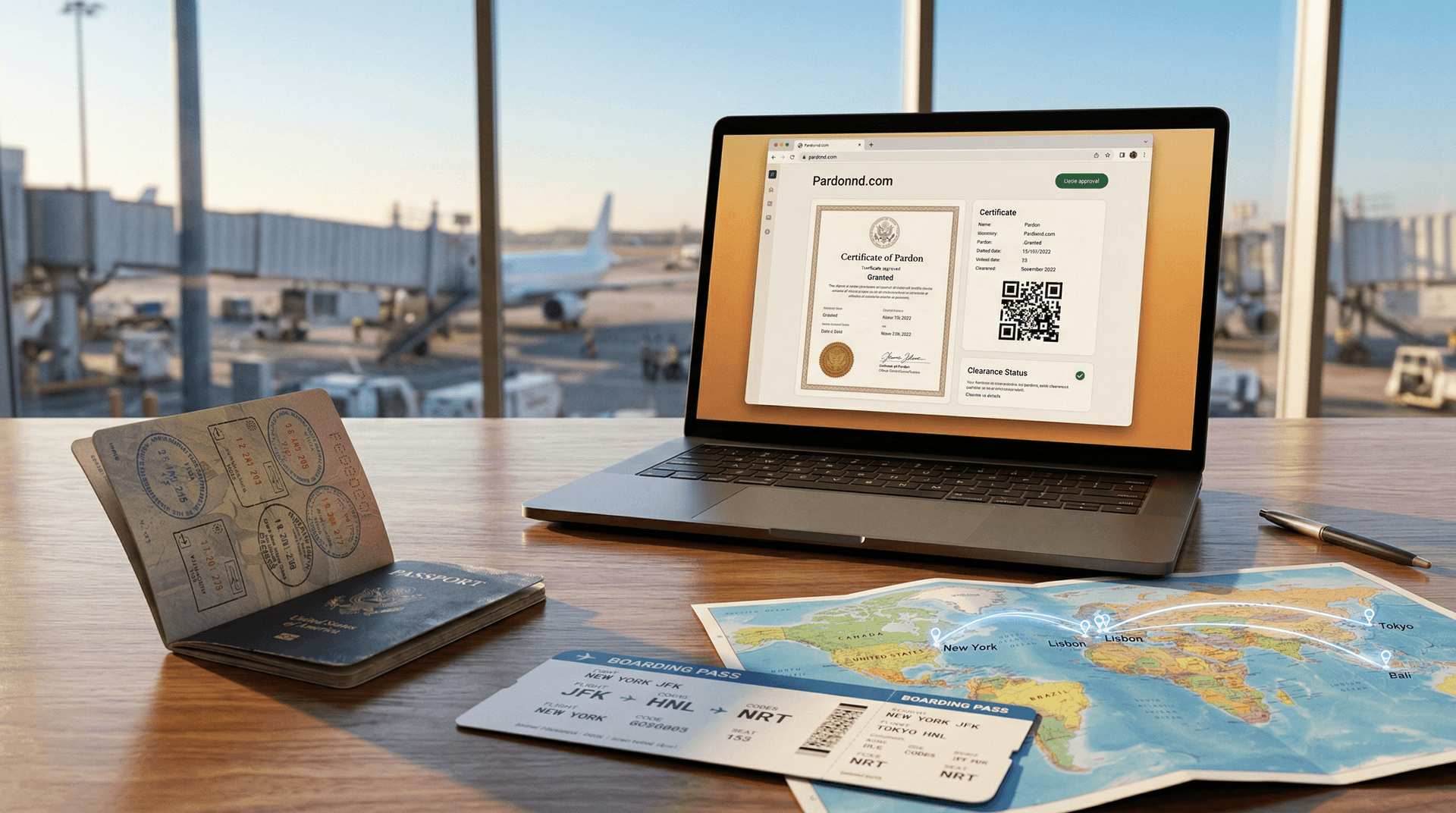
Pardonnd.com debuts as a searchable US pardons database, enabling ex-convicts to verify records and book international flights without delays.

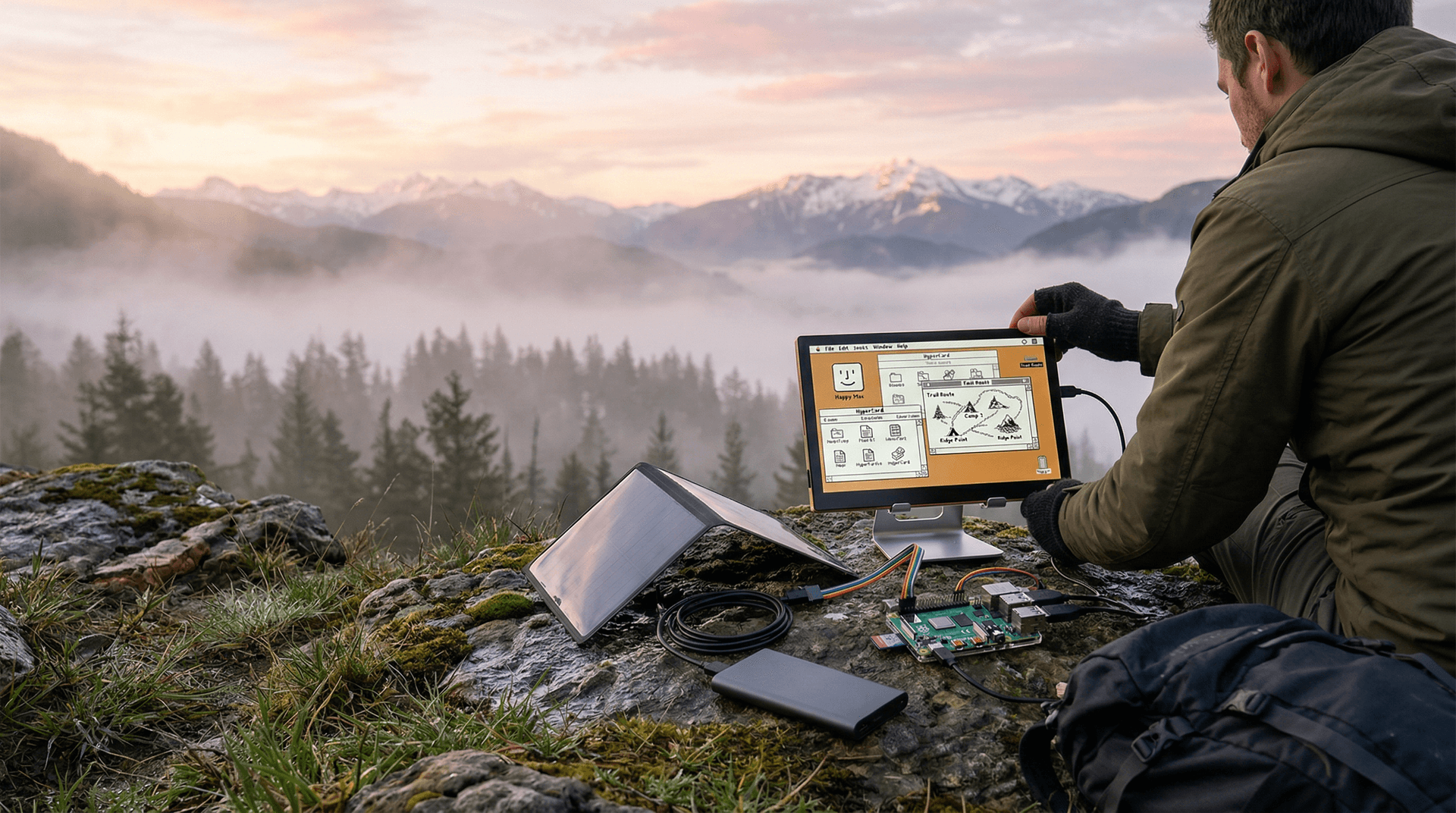
Advanced Mac Substitute lets budget travelers run vintage Mac apps on lightweight Raspberry Pi setups, cutting costs to $92 USD and extending battery life to 20 hours for off-grid adventures.

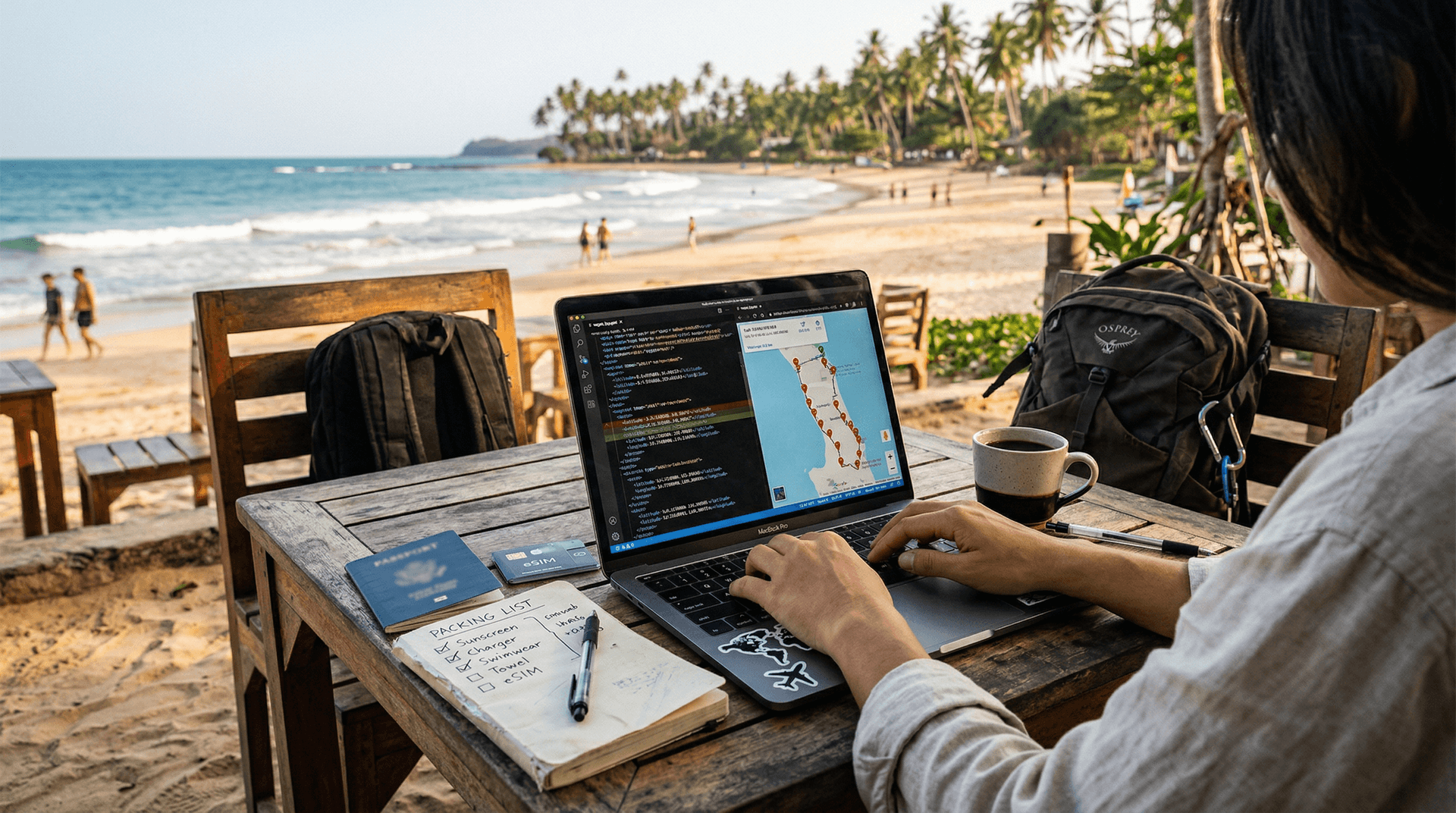
Digital nomads use a custom Git diff driver to version-control travel itineraries, GPX routes, and packing lists. This free tool saves over paid apps and runs offline worldwide.

Developers launched Advanced Mac Substitute on April 11, 2026, enabling budget nomads to run vintage offline travel apps on cheap hardware like Raspberry Pi.

Phone trips launched today cut travel expenses 50% using AI tracking and smart data plans. TrackWander and DataRoam enable off-grid navigation without roaming fees.

South Korea launches universal data access on April 11, 2026, offering visitors 10GB free monthly eSIM data. Travelers eliminate high roaming fees, saving up to 90% on connectivity costs nationwide.

Smartphones drive phone trips, enabling instant global adventures for budgets under $500 weekly. Apps handle bookings, navigation, and crypto payments without maps or agents.

San Francisco's 2007 Web 2.0 Expo lodging shortage birthed Airbnb, fueling a $200B vacation rental market. Tech like AI, dynamic pricing, and crypto now powers budget travel savings worldwide.

NASA's Artemis II crew returned safely on April 11, 2026, after a lunar flyby. The mission tested technologies that pave the way for commercial space tourism adventures.

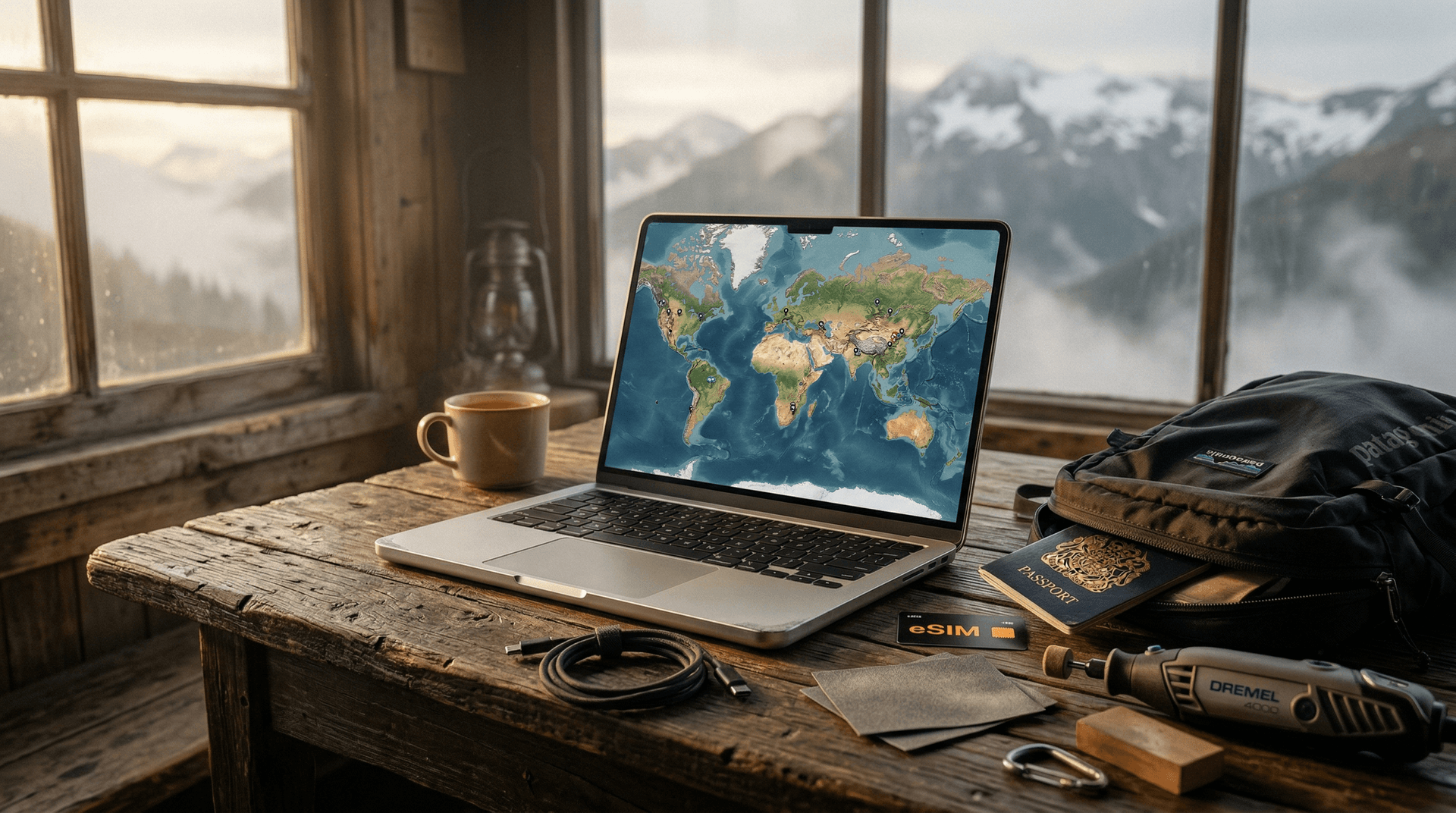
Filing MacBook corners boosts laptop durability for slim packs and saves hundreds on repairs. This budget hack details steps, costs, tests, and crypto payment tips for nomads.

University of Bristol's AI drone tech detects land mines 70% faster with 95% accuracy. Adventure travelers access safer trails in Ukraine, Laos, and the Balkans.