The White House unveiled the AI Framework on April 10, 2026. It sets travel tech standards for hospitality finance. Airlines lead with AI for revenue management and payments (OSTP announcement).
This initiative targets dynamic pricing, fraud detection, and crypto integration. Travelers see direct benefits in lower costs and faster bookings.
Framework Core Components
The White House AI Framework demands transparency in pricing algorithms. Airlines must disclose data sources for dynamic fares. Regulators curb opaque surges during peak demand periods.
Standardized risk models boost hospitality finance accuracy to 95% for cash flow predictions (OSTP simulations, April 10, 2026). Ethereum trades at $2,254.08 USD, up 1.7% today (CoinMarketCap).
Fraud detection systems flag anomalous bookings instantly. XRP holds steady at $1.36 USD, up 0.4%, supporting cross-border compliance (CoinMarketCap).
Compliance requires annual audits. Airlines submit AI model reports to the OSTP by year-end.
Airlines Embrace White House AI Framework
Delta Air Lines tests the framework first. AI optimizes seat inventory, lifting yields by 12% (Delta statement, April 10, 2026). Finance teams hedge fuel costs using precise forecasts.
Example: Delta's AI cuts overbooking penalties by 20%, saving $15 million USD annually (Delta Q1 2026 earnings).
United Airlines rolls out AI for personalized bundles. Fares adjust to loyalty data in real time. BNB trades at $609.50 USD, up 0.1% (CoinMarketCap, April 10, 2026).
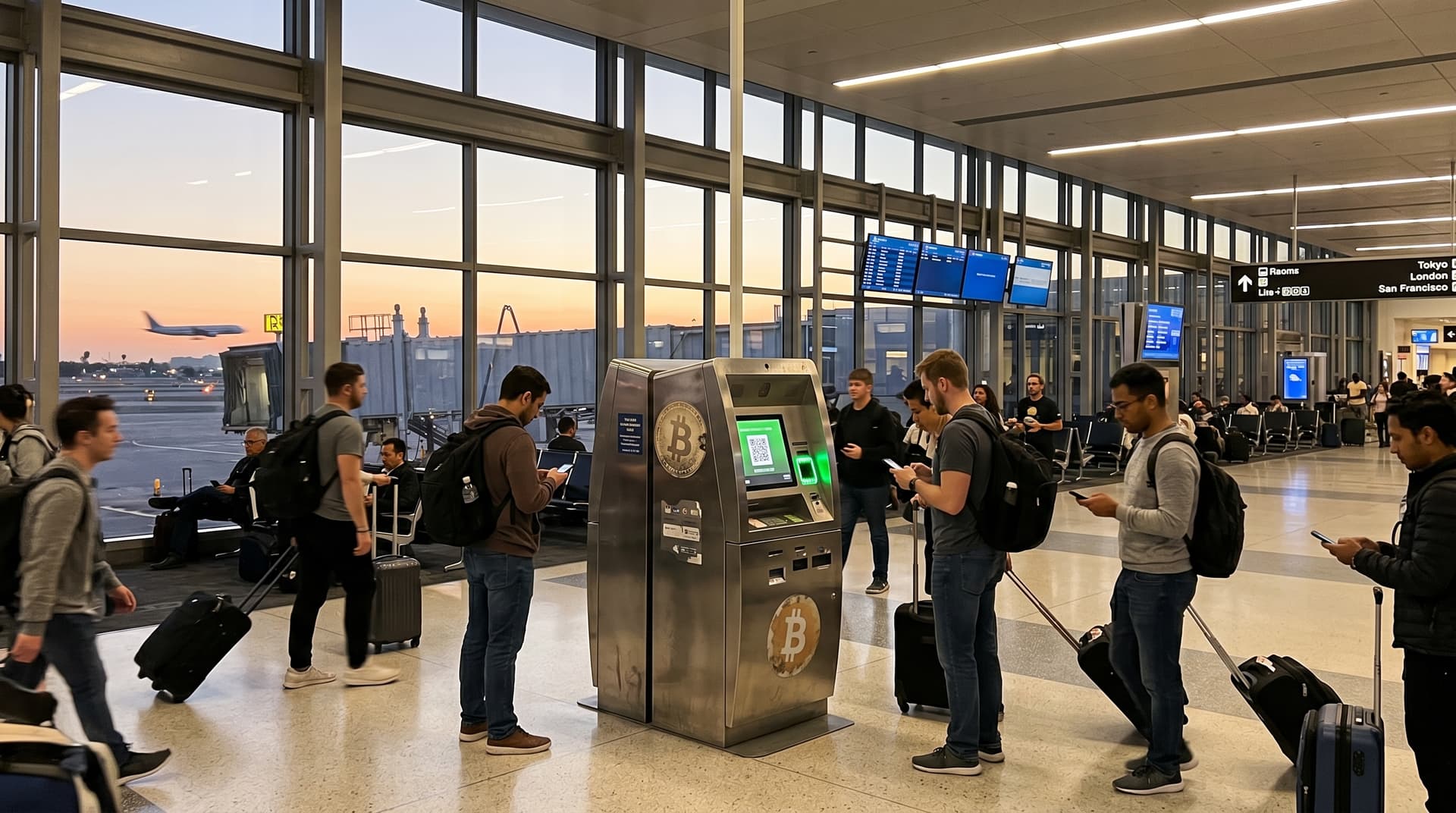
American Airlines activates crypto gateways. USDT transactions hold $1.00 USD parity for secure payments. The Fear & Greed Index stands at 16 (CNN Money, April 10, 2026).
Southwest Airlines reports 8% operations savings. AI streamlines crew scheduling with finance forecasts (Southwest report, April 10, 2026). This trims turnaround times by 12 minutes per flight.
JetBlue integrates AI for ancillary revenue. Upsells rise 18% on personalized offers (JetBlue investor call, April 10, 2026).
Technology Backbone Powers Compliance
Edge computing drives low-latency AI models for bookings. Airlines deploy 5G networks across 200+ airports. Quantum-resistant encryption secures finance data against threats.
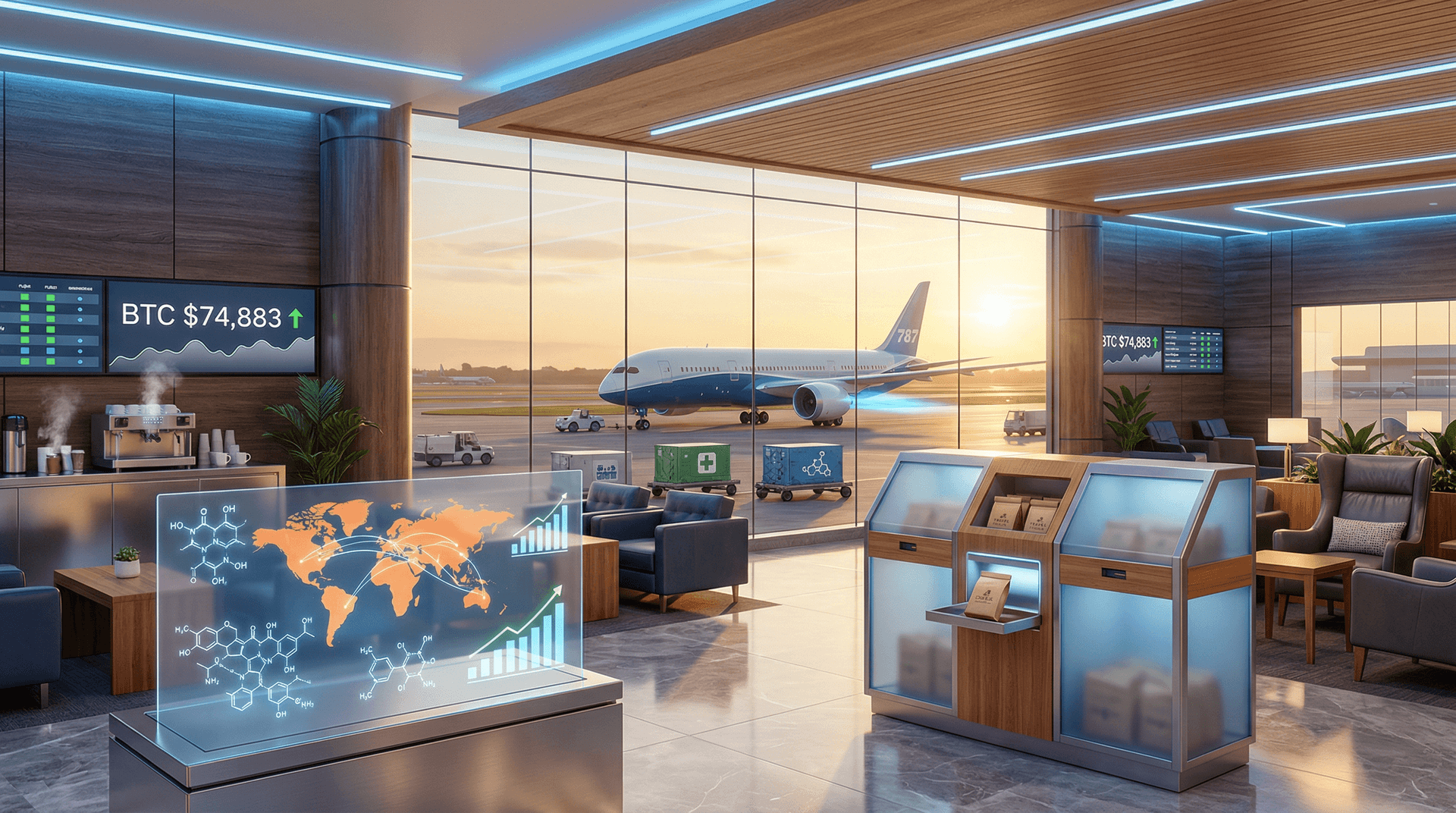
Blockchain handles instant settlements. Bitcoin reaches $73,208 USD, up 1.6% (CoinMarketCap, April 10, 2026). Airlines diversify treasuries with BTC holdings up to 5% of reserves.
OSTP requires six-month compliance audits. Non-compliant firms face $1 million USD fines per violation.
Machine learning processes historical data and social sentiment. Demand forecasts sharpen by 22% (MIT Sloan study, 2026). Airlines gain edges in competitive bidding for slots.
Finance Implications for Travelers
Dynamic pricing ties fares to real demand. Budget travelers book midweek flights 15% cheaper, saving $45 on a $300 USD NYC-LAX ticket (Airlines for America, 2026).
Crypto payments slash fees by 2-3%, or $10-15 per $500 USD ticket. Airlines skip card processors. USDT offers stability for international routes.
AI revamps loyalty programs. Predictive offers boost redemption rates by 25%. Travelers score upgrades worth $100 USD on average (IATA report, 2026).
The framework mandates diverse training data to counter biases. Airlines train 10,000+ staff on ethical AI oversight (FAA guidelines).
| Practical Info Box | |--------------------| | Getting AI Benefits | Download airline apps (free). | | Costs | Crypto savings: 2-3% per ticket (e.g., $10 on $500). Fares 15% lower midweek. | | Best Time | Off-peak (Tues/Wed) for deals. | | Access | USDT wallets like MetaMask; no visa needed for digital payments. |
Crypto Market Ties to Travel Tech
Fear & Greed Index at 16 signals caution. BTC's $73,208 USD price bolsters airline reserves. ETH upticks hint at smart contract bookings.
XRP speeds remittances for digital nomads, cutting costs 40% vs. wires (Ripple data, 2026). BNB fuels loyalty tokens on Binance Chain.
Hospitality leaders like Marriott adopt similar AI. Hotel bookings integrate airline data for bundled deals, saving 10% on packages (Marriott Q1 2026).
Practical Steps for Travelers
Download Delta or United apps for AI fare predictors. Alerts notify of 20% drops on routes like LAX-JFK.
Book off-peak for optimal deals. Midweek NYC-MIA flights drop to $149 USD from $250 (Kayak data, April 2026).
Load USDT wallets to save 2-3% fees. Pair with VPN for global access.
Airlines invest $500 million USD in compliant stacks by December 31, 2026 (PwC forecast). Travelers ride the savings wave.
Digital nomads match AI hubs like Bali flights under $600 USD roundtrip from SFO.
Risk-Reward Balance in Hospitality Finance
Deloitte projects 10-20% revenue lifts for airlines, totaling $25 billion USD industry-wide (Deloitte 2026 report).
Federal rules slash data breach risks by 30%. Travelers face fewer disruptions as AI predicts delays.
Automatic reroutes issue $50 USD credits instantly. Crypto hedges protect against currency swings on forex routes.
Future of White House AI Framework
API standards roll out by July 2026. Airlines link systems across Star Alliance and Oneworld.
Stripe and PayPal adapt gateways for compliance. Global carriers eye EU alignment by Q4 2026.
The White House AI Framework accelerates hospitality finance growth. Travelers book smarter, cheaper flights today. Monitor OSTP updates for new tools.