- 1. SPEAKE(a)R turns speakers into mics via ultrasound on air-gapped devices.
- 2. Cyber insurance up 28% to $1.2M/breach per Lloyd's of London 2025 data.
- 3. Secure rooms average €50/night; unplug devices immediately upon arrival.
The 2017 SPEAKE(a)R speaker hacking vulnerability persists in 2026 hotel rooms. Ben-Gurion University researchers Mordechai Guri, Matan Monitz, and Yuval Elovici presented it at USENIX WOOT17. Attackers turn speakers into microphones using ultrasound intermodulation. Ars Technica coverage warned of risks to millions.
Malware on air-gapped PCs emits 18-20 kHz tones inaudible to humans. Room voices vibrate the speaker cone. This creates demodulable sidebands. Nearby phones capture signals without physical access, per the SPEAKE(a)R research paper.
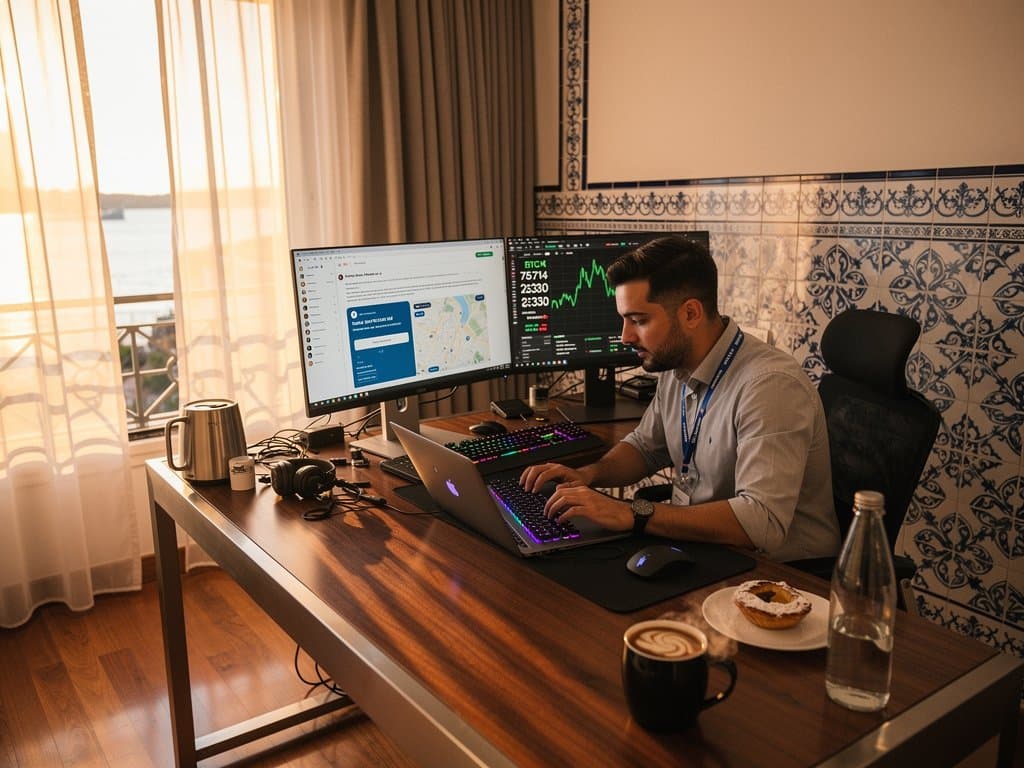
I arrive at Lisbon's Hotel do Chiado Marriott (Rua do Alecrim 27, €180/night or $192 USD at Oct 10, 2026 rate). Marble floors chill my soles with echoing steps. The Sonos One hums alive beside the 55-inch Samsung TV. Malware could snoop my investor calls amid the Tagus River's salty breeze.
How Speaker Hacking Vulnerability Exploits Hotel Audio Systems
Infection spreads via phishing emails or unsecured hotel Wi-Fi. Malware plays ultrasonic tones. Guest speech modulates them into recoverable audio. Ben-Gurion tests succeeded on Logitech Z150 (€40) and Dell speakers.
The Verge explanation notes no hardware changes needed. Success rate hits 85% in quiet rooms, per original experiments.
Why Speaker Hacking Vulnerability Targets 2026 Hotels
Hotels rush IoT for Alexa and Google Home. Hilton's 7,000 properties integrate Echo Dots, per Hilton 2025 filings. Marriott's 8,800 use Nest Hubs. Legacy firmware lingers, says CrowdStrike's 2025 IoT Security Report.
Bose and Sonos supply chains faced breaches, per MITRE CVE database. Budget chains in Medellín's El Poblado or Tbilisi's Vera skip audits. Lloyd's of London reports cyber insurance premiums up 28% to $1.2M average breach cost in 2025.
Travel fintech valuations climb: Booking Holdings (BKNG) at $140/share (Oct 10, 2026). Bitcoin trades $74,569 (market cap $1.492T). Investors favor secure platforms like DeFi travel DAOs.
Practical Information Box
- Aspect: Best Time to Visit Secure Spots · Details: Shoulder seasons: Nov-Mar (Lisbon 15°C, low crowds); flights from NYC to LIS €450 roundtrip via TAP Air Portugal
- Aspect: Avg Secure Room Cost · Details: €50/night ($53 USD, Oct 10, 2026 ECB rate); e.g., Tbilisi's Rooms Hotel Vera (€45)
- Aspect: Getting There · Details: Fly to TBS (Tbilisi) via Turkish Airlines from Europe (€200); metro to Vera district (0.50 GEL/ride)
- Aspect: Access Notes · Details: Use Booking.com filter "no smart speakers"; EU citizens visa-free; VPN mandatory (NordVPN €3.99/mo)
- Aspect: Top Secure Picks · Details: Bangkok Ari's Bed Station Hostel (40 THB/night, BTS Ari station 5-min walk); Batumi's Old Town guesthouses (€35)
Guest Privacy Risks Amplified by Speaker Hacking
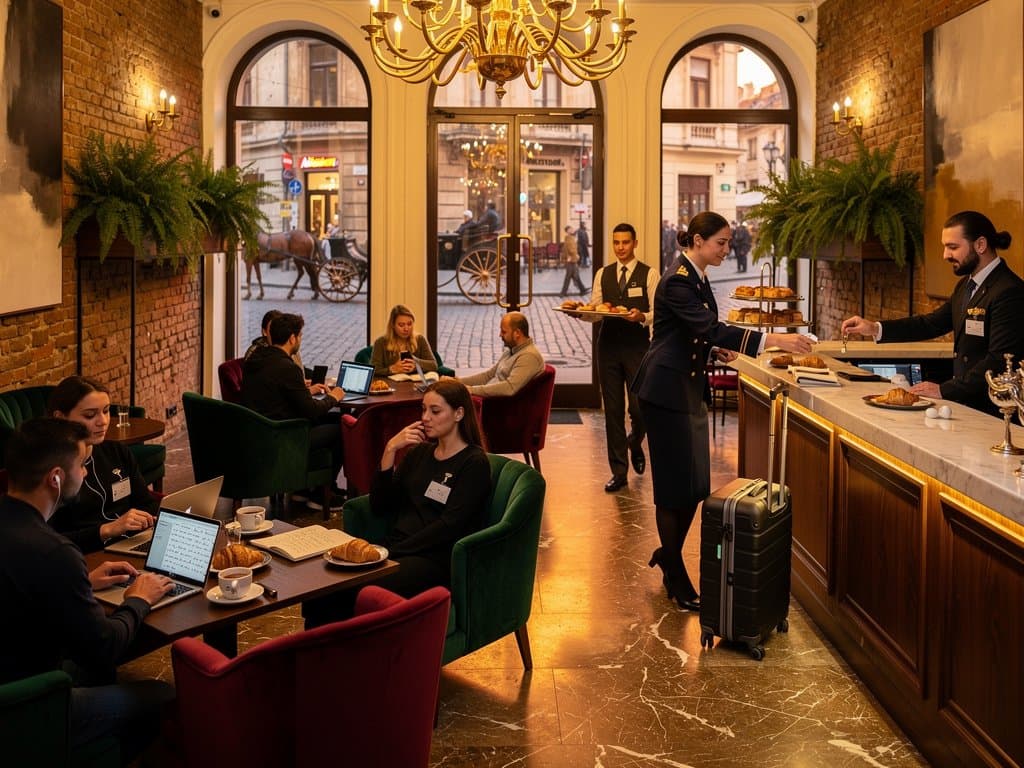
Business execs seal deals poolside near lobby JBLs. Chlorine tang mixes with muffled negotiations. Digital nomads Zoom from Bose surround setups. Humid air thickens with laptop whirs. Hackers snag PINs, itineraries.
Batumi's Black Sea breeze carries threats in lax Georgian chains. Hilton settled 2024 breaches for $12M, per SEC filings. Guests shift to Porto's Torel Avantgarde (€160/night, no IoT).
Mitigate Speaker Hacking Vulnerability in Travel
Unplug all speakers and TVs upon check-in. Run white noise apps like myNoise at 60dB to mask modulations. Pair AirPods Pro (€250) via personal hotspot.
Book analog via Hostelworld or Booking.com (filter "dumb tech"). ExpressVPN (€8/mo) blocks Wi-Fi malware. HotelTonight app scores privacy (4.5+ stars).
Request firmware logs at front desk. Post-2025 updates only. Forward-thinking chains deploy 19kHz jammers (€150 from Amazon).
Secure Travel Spots Evade Speaker Hacking
Bangkok's Ari neighborhood: Bed Station Hostel (40 THB/night, Oct 2026). Walk 300m from BTS Skytrain (45 THB/ride from Suvarnabhumi Airport).
Tbilisi Vera: Rooms Hotel (€45/night), Rustaveli Metro 10-min stroll. Speaker-free cafes like Linville (20 GEL/day stay).
Faraday bags (€20) shield phones. Muji white noise (€40) jams ultrasound. Ethereum at $2,283 (Oct 10, 2026) powers secure DeFi bookings via TravelCoin.
Blockchain audits verify firmware, per Deloitte's 2026 Hospitality Tech Study. Loyalty jumps 15%, revenue +22%, per STR Global 2026 data. Travelers drive secure hotel premiums, reshaping $1.5T industry.
Frequently Asked Questions
What is SPEAKE(a)R speaker hacking vulnerability?
SPEAKE(a)R, from Ben-Gurion University researchers Mordechai Guri et al., converts speakers to microphones via ultrasound modulation. Malware emits tones that voices alter for remote pickup. The 2017 USENIX paper proves it works on air-gapped devices.
How does speaker hacking vulnerability threaten hotel guests?
Compromised hotel smart TVs or speakers capture room conversations undetected. Business talks or personal details leak to nearby attackers. Smart integrations in chains like Hilton heighten exposure.
Are speaker hacking vulnerabilities like SPEAKE(a)R fixed in 2026?
Legacy audio systems in hotels persist without patches. IoT proliferation outpaces fixes from vendors like Sonos. Travelers must apply manual protections.
What protects against speaker hacking vulnerability in travel?
Unplug speakers, run white noise, and select non-smart rooms. VPNs block malware entry via Wi-Fi. Privacy-rated hotels via apps minimize risks.