- 1. Hormuz transit scams demand $1K-$5K USDT from captains amid BTC $75,843 surge.
- 2. Fear & Greed at 33 heightens risks; USDT $188B cap enables fast fraud transfers.
- 3. Verify via ICS; official escorts $3K-$10K USD, free transit but delays cost $50K/day.
By Elliott Cavanaugh
Hormuz transit scams flood ship captains with fake offers for discounted Strait of Hormuz passage. Fraudsters pose as Iranian brokers or Omani agents. They demand upfront USDT fees. Bitcoin surged to $75,843 on October 10, 2024, per CoinGecko.
Ethereum traded at $2,320.91 with a $279.9 billion market cap (CoinGecko). USDT held its $1.00 peg with an $188.0 billion cap. The Fear & Greed Index stood at 33 (Alternative.me). This signals fear that boosts scam vulnerability. The International Chamber of Shipping (ICS) documents phishing spikes targeting operators.
Delays force tankers and cruises to reroute. Royal Caribbean International adjusts Gulf itineraries (October 2024 press release). Yachts face stranding without verified transit slots. Daily delays cost supertankers up to $50,000 in fuel and demurrage (BIMCO data).
Hormuz Transit Scams Exploit Strait Tensions and Crypto Volatility
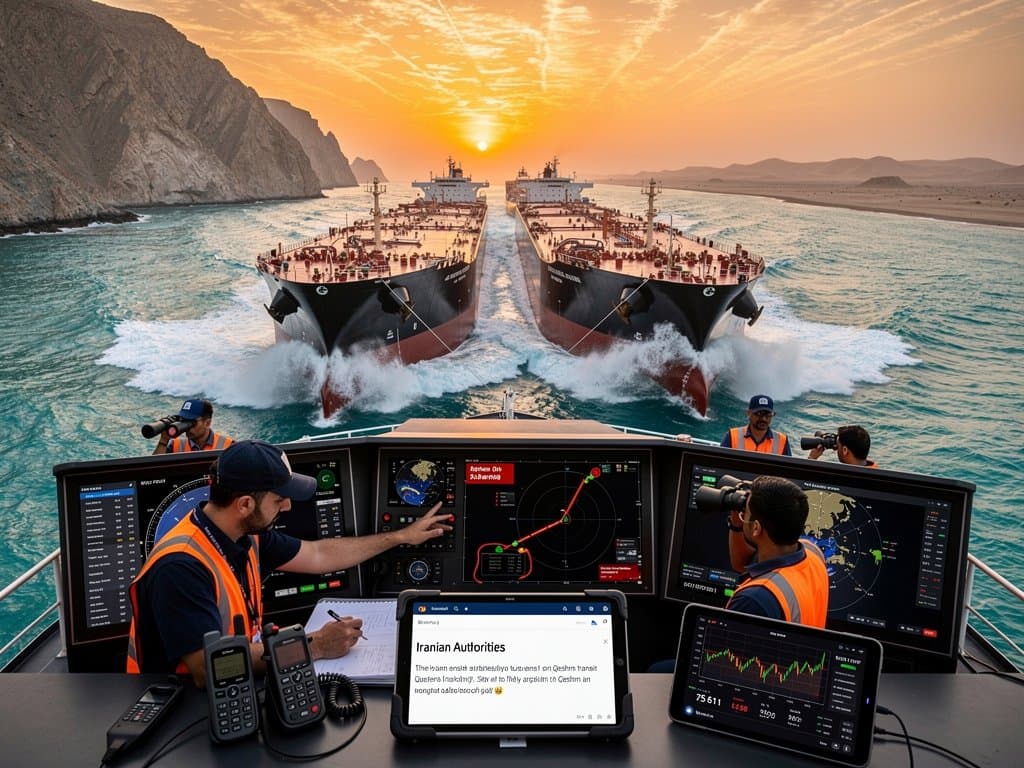
Geopolitical tensions with Iran clog the Strait of Hormuz. It handles 21% of global petroleum liquids (Reuters analysis, October 2023). Scammers promise priority escorts for under $5,000, paid in USDC at $1.00 parity.
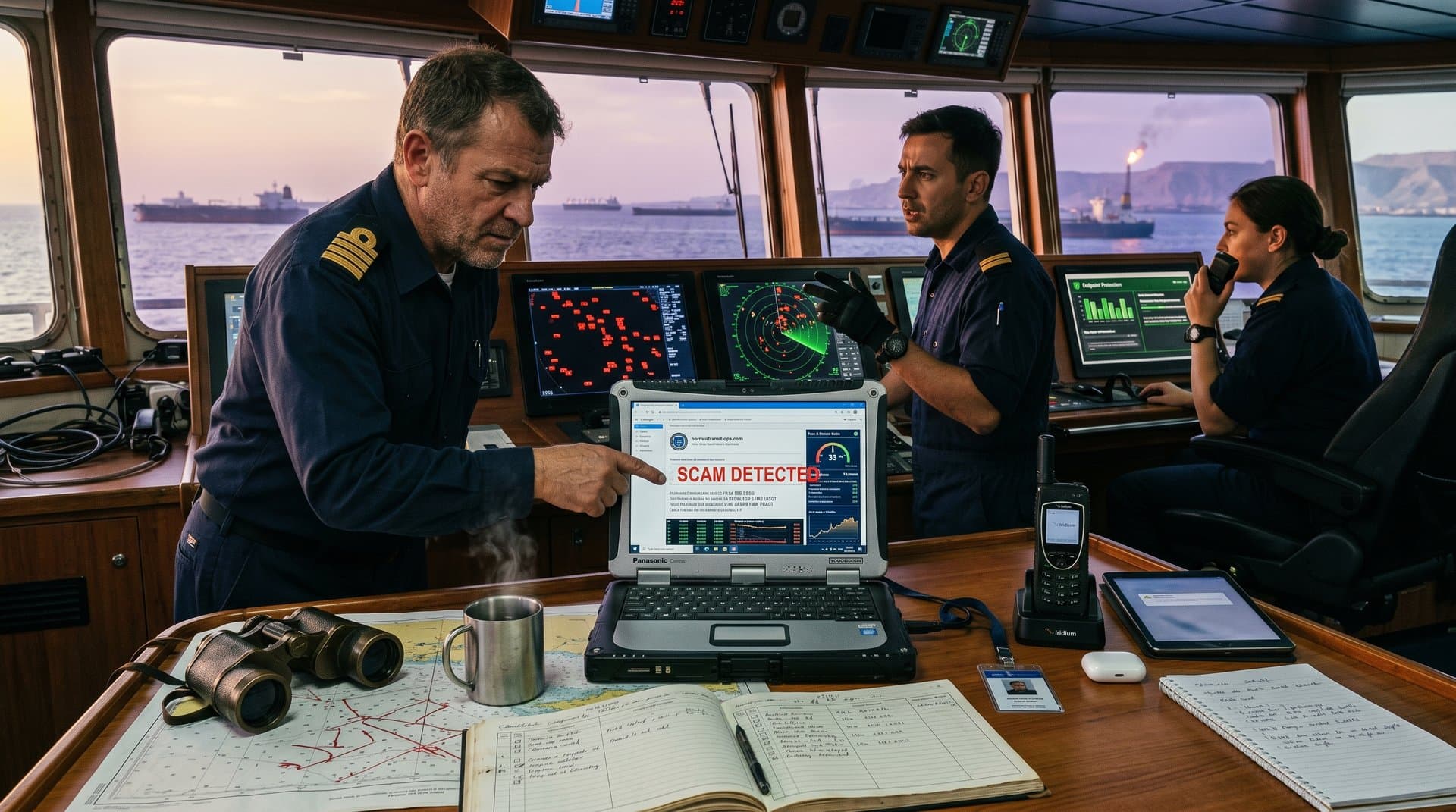
Maersk Line captains identify spoofed emails mimicking IRGC officials or UAE ports (Maersk cybersecurity advisory). Fake domains like hormuztransit.ir proliferate. Peak oil shipping in Q4 heightens urgency. Captains verify via official channels to avoid halts.
Tension thickens air on bridge decks. Alarms beep. Radars paint congested tanker lanes under hazy Gulf sun. Captains scan emails amid engine drone.
Practical Info Box
- Aspect: Getting There · Details: Strait of Hormuz: Free transit under UNCLOS, no tolls. Official escorts $3,000-$10,000 USD via Iranian/Omani ports. Fly to Dubai (DXB), then charter yacht ($2,500/day avg, per YachtWorld).
- Aspect: Costs · Details: Scam USDT demands: $1,000-$5,000 upfront. Real escorts: Verify via ports; tankers avg $7,500 USD (Oct 2024 rates). Daily delay: $30K-$50K USD (BIMCO).
- Aspect: Best Time · Details: Shoulder seasons Mar-May, Sep-Nov cut congestion 30%; avoid Q4 oil peaks.
- Aspect: Access Notes · Details: No visas for innocent transit; ICS verification mandatory. Book escorts 48-72hrs ahead via official agents. Independent reporting. No paid trips.
Crypto Mechanics Fuel Hormuz Transit Scam Payouts
Scammers favor USDT for speed. Its $188.0 billion cap enables instant transfers to mixer wallets. This bypasses sanctions. CoinGecko tracks USDC at $77.9 billion and USDS at $10.8 billion, both $1.00 pegged (October 10).
- Stablecoin: USDT · Price (Oct 10, 2024): $1.00 · Market Cap: $188.0B
- Stablecoin: USDC · Price (Oct 10, 2024): $1.00 · Market Cap: $77.9B
- Stablecoin: USDS · Price (Oct 10, 2024): $1.00 · Market Cap: $10.8B
Bitcoin's $75,843 peak drives stablecoin reliance. QR codes in phishing emails route to fraudulent wallets. False sanctions-bypass promises lure hasty payments.
Cruise and Yacht Disruptions from Hormuz Transit Scams
Royal Caribbean skips Persian Gulf ports. This eliminates Dubai layovers and reroutes 15 ships (Cruise Industry News).
Passengers face $200-$500 itinerary change fees.
Superyacht charters to Oman hit fake permit scams. Denied entries trigger $10,000+ repositioning costs.
Digital nomads on UAE-Iran ferries lose thousands to SMS phishing. Offshore eSIMs drop. Switch to Iridium satellite comms ($1.50/min, Iridium rates) for verification. Maritime fintech apps lag without blockchain transit proofs.
Spot and Avoid Hormuz Transit Scams: 5 Checks
1. Verify domains against ICS cyber guidance: ports.gov.ir, omanports.com. 2. Hover links. Insist on video calls with agents. 3. Enable MFA. Deploy CrowdStrike endpoint protection. 4. Monitor AIS via ShipSafe or MarineTraffic apps. 5. Report to IMB Piracy Reporting Centre.
Reject crypto demands upfront. Scammers push XRP ($1.43, $87.7B cap) or SOL ($85.65).
Best Practices Secure Maritime Travel Finance
Filter .ir domain spoofs (US Coast Guard alerts). Insure yachts against cyber fraud via Lloyd's ($5K-$20K annual prem). Scan transactions on Etherscan.
AI deepfakes loom for captains. Blockchain oracles like Chainlink verify docs on-chain. Travel fintech integrates satellite AIS with wallet checks. Plan shoulder seasons. Vigilance and tech secure voyages against Hormuz transit scams.
Frequently Asked Questions
What are Hormuz transit scams?
Fake offers from bogus agents promise cheap Strait passage for $1K-$5K USDT. Ships delay verifying amid Iran tensions, per ICS.
How do scams exploit crypto volatility?
USDT $188B cap allows instant mixer wallet sends. BTC $75,843 peak and Fear & Greed 33 drive stablecoin use, per CoinGecko.
How do Hormuz transit scams impact cruises?
Royal Caribbean reroutes Gulf ships, cuts Dubai stops. Passengers pay $200-$500 fees, per Cruise Industry News.
How to protect yachts from these scams?
Use ICS domain checks, AIS trackers, MFA. Scan payments on Etherscan; insure via Lloyd's.