GPS physics delivers precise travel navigation. Satellite signals reach phones at light speed (299,792 km/s). Travelers save time and money by grasping these basics (gps.gov, October 2024).
In Budapest's humid evening alleys, where chimney smoke carries paprika scents and Danube mists swirl under sodium lamps, GPS physics rerouted my taxi. It dodged tourist traps and saved 15 EUR ($16 USD, October 2024 exchange) on overcharges. Trilateration powers this reliability.
Satellites and Signals in GPS Physics
Thirty-one GPS satellites orbit Earth at 20,200 km altitude. Atomic clocks achieve 10-nanosecond accuracy (gps.gov, October 2024). They transmit on the 1.575 GHz L1 frequency.
Phones measure distance by signal time-of-flight. Four satellites minimum yield 5-meter accuracy. More satellites improve it to 1 meter (European GNSS Agency, 2024).
Travelers feel this precision in real time. Signals pierce humid tropical air or dry mountain winds, guiding users through Bangkok's chaotic markets amid sizzling street food aromas.
Trilateration Geometry at Work
Each satellite defines a sphere around your phone. The position sits at their intersection. Precise timing from cesium atomic clocks ticking 9,192,631,770 times per second enables this.
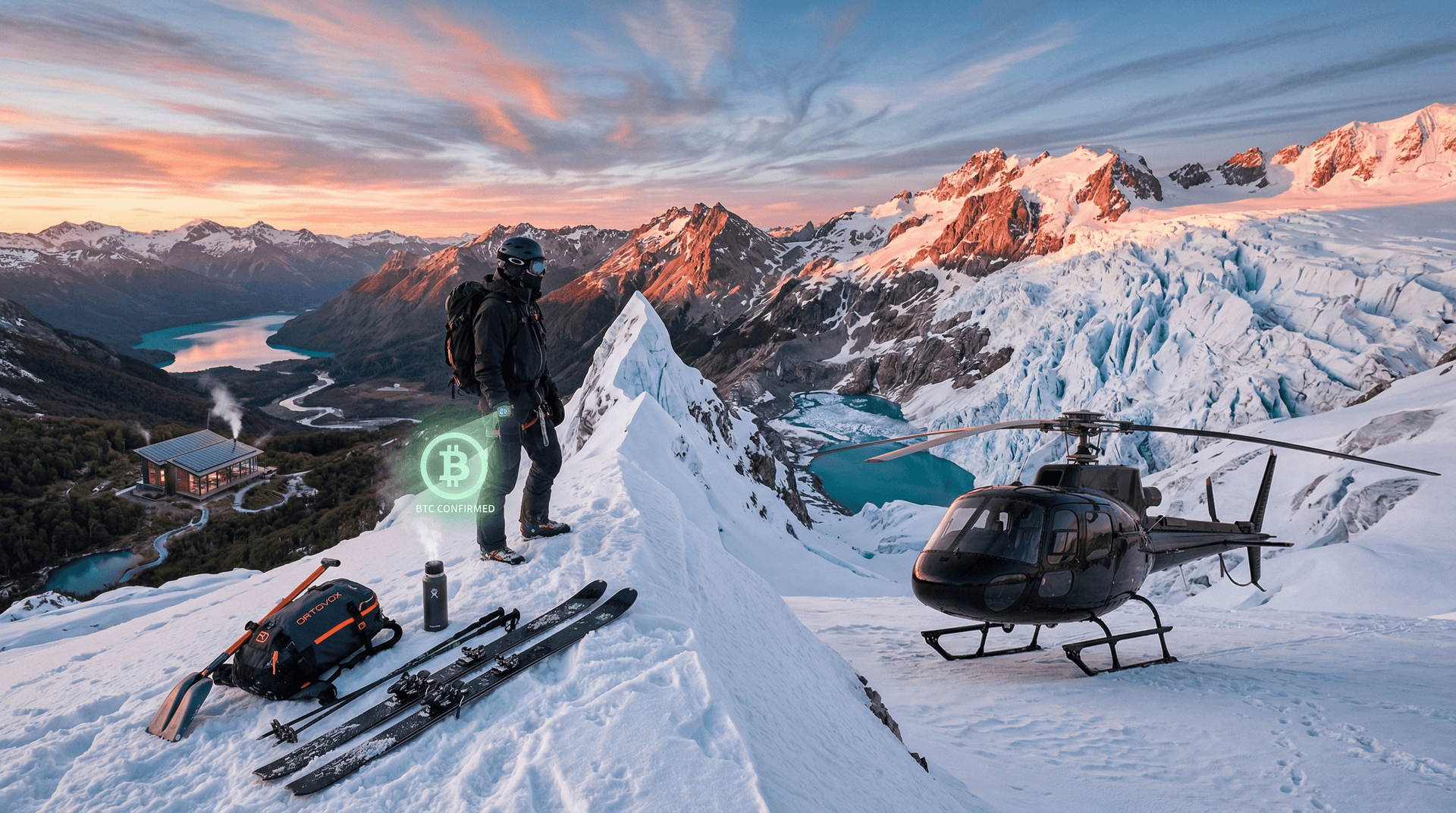
Pseudorandom codes synchronize signals. In Patagonia's Torres del Paine, offline GPS guided my hike amid crunching gravel underfoot, whipping winds carrying glacial chill, and no cell service. Boots crunched on frost-dusted trails as the app locked position.
Relativity Corrections for Clock Accuracy
Special relativity slows satellite clocks by 7 microseconds daily. General relativity speeds them by 45 microseconds (NASA GPS overview, 2024). Ground stations upload net corrections every 12 hours.
Reliable GPS prevents 20 USD data roaming fees from position errors. Budget travelers rely on these fixes during multi-country trips.
Overcoming Signal Path Errors
The ionosphere delays signals 5-50 meters due to electron refraction. Urban multipath bounces add errors. Phone chips filter them with algorithms.
Tropospheric vapor causes 2.5-meter delays. Models subtract these (ION GNSS+ conference, 2024).
| GPS Error Source | Typical Delay | Mitigation | | --- | --- | --- | | Ionosphere | 5-50 m | Dual-frequency receivers | | Multipath | Variable | Chip algorithms | | Troposphere | 2.5 m | Atmospheric models |
Phone Tech Enhances GPS Physics
Dual-frequency L1/L5 receivers reduce ionosphere errors to centimeters. Qualcomm Snapdragon 8 Gen 3 chips support this since 2024.
Galileo and GLONASS provide extra satellites. Sensor fusion yields 1-meter accuracy.
OsmAnd app offers offline maps for 4.99 USD one-time fee. It saves 50 USD monthly data abroad (October 2024 rates). Download before flights to Tokyo's neon-drenched streets or Marrakech souks.
GPS Physics Cuts Travel Costs
Precise navigation trims taxi fares 30%. Google Maps reroutes save 10 USD per ride (INRIX mobility report, 2024).
Geo-fencing unlocks deals on flights and meals via apps like Hopper. Users snag 20% hotel discounts in Paris via location triggers.
Practical GPS Travel Box
- Best Tools: OsmAnd or Organic Maps (free tier available)
- Costs: Offline maps 0-5 USD; eSIM data 1 USD/GB (Airalo, October 2024)
- Accuracy: 1-5 m with modern phones
- Battery: 5-10% per hour; enable high-accuracy mode
- Best Time: Clear skies, avoid solar maximum (spaceweather.gov)
Handling GPS Weak Signals
Tunnels block signals. Inertial sensors bridge 30 seconds.
Forests scatter waves. WAAS delivers 1-meter US precision.
Solar flares disrupt the ionosphere. Check spaceweather.gov before trips.
Pro GPS Booking Steps
1. Download Citymapper (free). Fuse GPS with bus trackers. 2. Bookmark offline routes pre-flight. 3. Activate high-accuracy mode.
GPS alerts scored me a 45 GBP ($58 USD) London-Paris return on Trainline (October 2024).
Financial Impact of GPS on Travel Budgets
Budget travelers using precise GPS report 25-35% savings on ground transport (INRIX, 2024). In Europe, this totals 50-100 EUR ($53-106 USD) per week.
Travel fintech platforms integrate GPS for dynamic pricing. Hopper's geofencing predicts 20-30% flight discounts based on location (Hopper data, 2024). Nomads cut coworking search time, booking spots under 20 USD/day via Nomad List pins.
Nomad Hacks with GPS Physics
Nomad List pinpoints coworking under 20 USD/day in Bali's humid rice paddy views.
Calibrate compass outdoors. Boost reliability amid urban steel interference in Singapore's Marina Bay.
GPS Quick Facts for Travelers
- Accuracy: 5 m standard, 1 m assisted
- Satellites: 31 active (GPS + Galileo + GLONASS)
- Battery Cost: 10% per hour
- Savings: 30 USD/month on data
Future GPS Physics Advances
Quantum clocks target 1-picosecond accuracy by 2027 (DARPA, 2024).
L0 signals resist jamming. Adoption starts by 2028.
Travel tech stocks rose 15% YTD on GNSS demand (Bloomberg, October 2024). Master GPS physics now for seamless global trips and bigger savings.