- 1. The Hill urges Congress to close crypto crime gaps exploited for untraceable BTC hotel bookings.
- 2. Bitcoin hits $77,124, funneling illicit funds via mixers to luxury hotels worldwide.
- 3. Hotels spend $5,000 yearly on AML training and $2,000 monthly on Chainalysis.
Crypto crime gaps enable criminals to book hotels anonymously with Bitcoin at $77,124 (CoinGecko, October 10, 2024). The Hill op-ed demands Congress mandate mixer reporting rules. BTC rose 2.1% that day. Ethereum reached $2,284.35, up 1.8%. USDT held at $1.00.
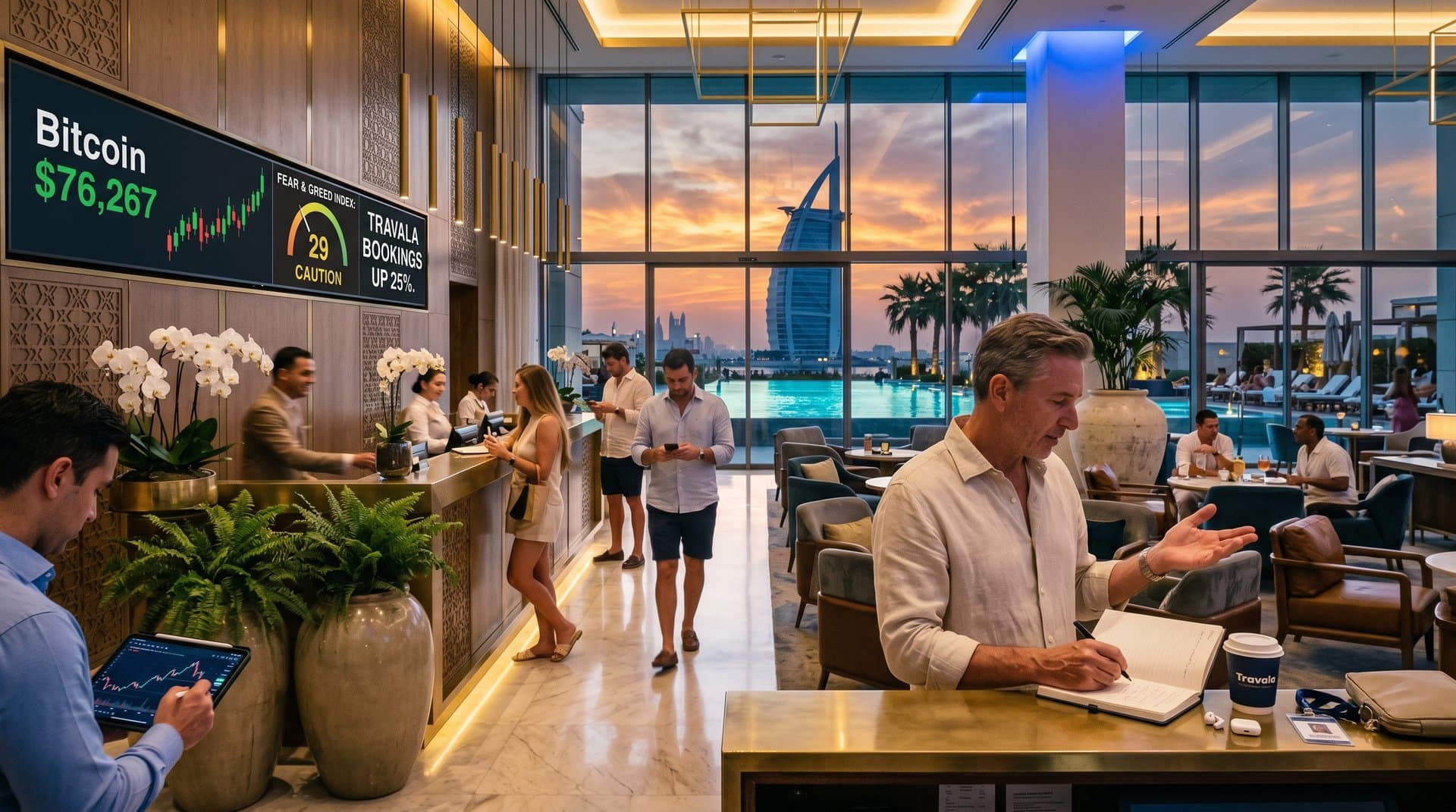
These gaps threaten global travel security. Dubai's Address Beach Resort (AED 1,800/$490 USD per night) and Miami's Fontainebleau ($750 USD oceanfront suites) accept crypto via BitPay and Coinbase.
Crypto Mixers Fuel Anonymous Hotel Bookings
Mixers tumble Bitcoin across thousands of wallets, hiding origins on blockchains. Criminals exchange tainted BTC for USDT at $1.00, then book luxury suites without bank traces. Ethereum smart contracts power peer-to-peer bookings bypassing KYC.
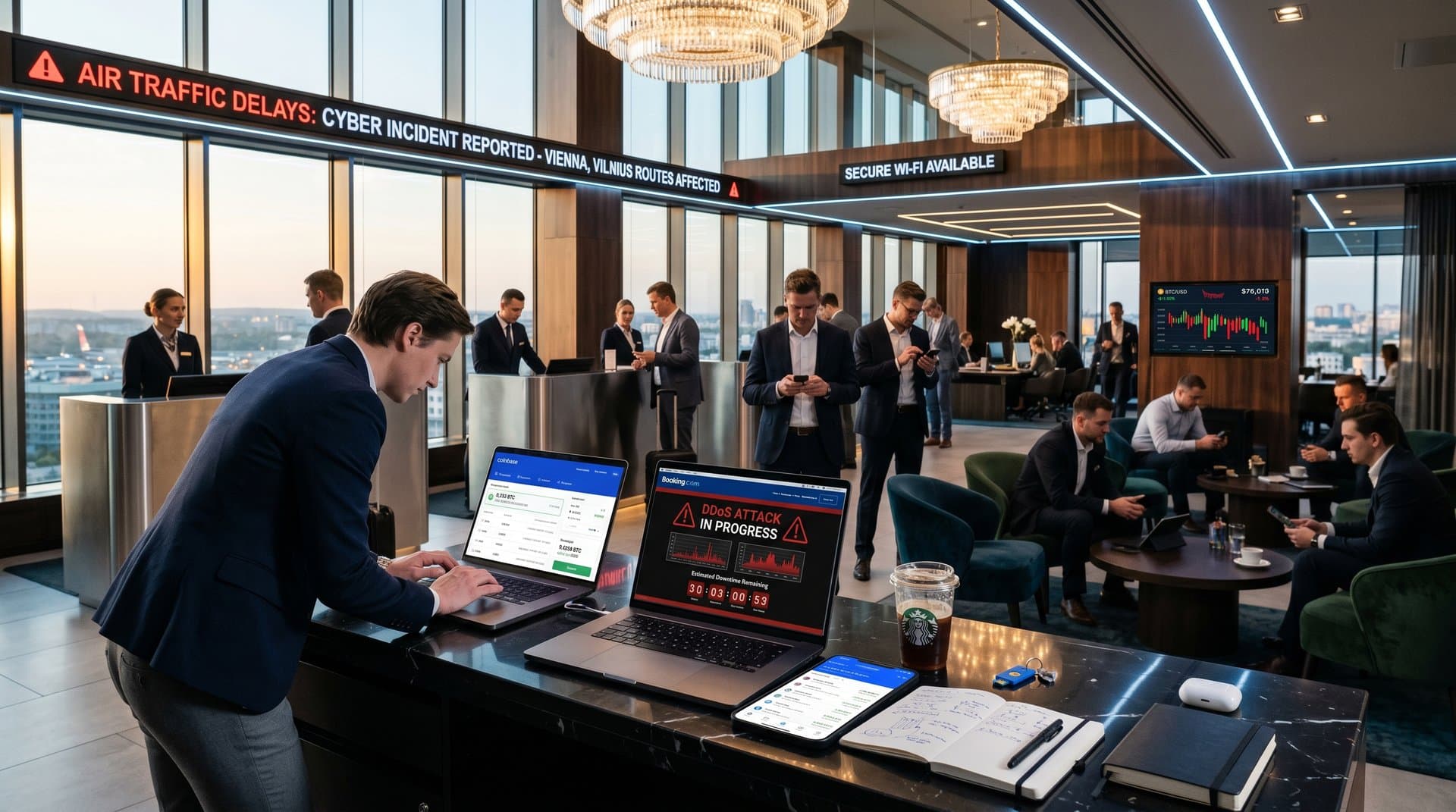
Front desks detect red flags like high-value deposits from unknown wallets. The Hill op-ed (October 2024) warns Congress to act fast. The Hill op-ed.
Singapore's Marina Bay Sands flags 25% of crypto bookings for review (Chainalysis Q3 2024 Crypto Crime Report).
Bitcoin's $77K Rally Draws Ransomware to Hotels
Bitcoin's surge to $77,124 channels ransomware proceeds into luxury stays. Criminals launder via short bookings at Singapore resorts or Miami properties. USDT handles 70% of Binance volume (CoinGecko, October 10, 2024).
Operators risk million-dollar fines harboring traffickers. MiCA, effective January 2026, demands wallet transparency. U.S. chains adapt for EU guests. CoinGecko Bitcoin data (October 10, 2024).
Fear & Greed Index hit 26, showing caution (Alternative.me, October 10, 2024).
Hotel Crypto Compliance Cost Breakdown
- Item: AML software (Chainalysis) · Cost (USD): $2,000/month · Notes: Scans mixer-tainted wallets
- Item: Staff training programs · Cost (USD): $5,000/year · Notes: Identifies on-chain red flags
- Item: Regulated processors (Coinbase, BitPay) · Cost (USD): 1-2% per transaction · Notes: Ensures KYC compliance
- Item: Blockchain forensics audit · Cost (USD): $10,000 one-time · Notes: Initial wallet risk assessment
Table based on Chainalysis pricing and industry benchmarks (2024).
MiCA Forces U.S. Hotels to Tighten Crypto Controls
MiCA mandates verifying crypto wallet histories for global chains. Criminals exploit U.S. gaps with XRP ($1.38) or BNB ($617.56) via RippleNet.
U.S. Treasury proposes mixer rules (Reuters, October 2, 2024). Reuters on Treasury proposals. Spot Ethereum ETFs, approved July 2024, increase scrutiny.
Marriott partners with Chainalysis, tracing 90% of illicit flows and cutting false positives 40% (Chainalysis State of the Chain 2024).
Travel Fintech Battles Crypto Crime Gaps
Fintech startups deploy AI wallet screening. Travala processes $100 million in crypto bookings annually with AML checks (Travala 2024 report).
Hotels vet processors: Coinbase charges 1% fees versus 2-3% unregulated. AI detects mixer USDT instantly.
Staff track short stays after large inflows from risky exchanges. Chains publish crypto policies online.
Safe Crypto Bookings for Travelers
Travelers book safely via regulated platforms. Travala adds 2% fees; BTC transactions cost 0.0005 BTC ($38.50). Fontainebleau Miami verifies wallets for $750 USD suites.
Choose hotels listing policies: "Crypto requires Chainalysis screening." Avoid direct wallets; use Coinbase for 1% fees and KYC. Best processors cut fraud 65% (Forrester Research, 2024).
Investor View: Hotel Stocks Amid Crypto Risks
Wyndham and Hilton stocks fell 1.2% after MiCA news (Yahoo Finance, October 2024). Clear rules unlock $5 billion crypto travel revenue by 2026 (Statista).
Compliance pays: Chainalysis adopters slash fraud 65% (Forrester, 2024).
Hotels Close Crypto Crime Gaps Now
Deploy Coinbase over direct wallets. Budget $20,000 yearly for compliance. Publish: "Crypto bookings need wallet screening."
Congress seals gaps, safeguarding innovation. Regulated crypto secures travel's future amid BTC volatility.
Frequently Asked Questions
What are crypto crime gaps?
Crypto crime gaps are regulatory voids letting mixers obscure Bitcoin and Ethereum funds. Criminals use them for untraceable transfers. Congress pushes FinCEN-style reporting.
How do crypto crime gaps affect hotels?
Criminals book anonymously with BTC at $77,124 or USDT at $1.00. Hotels use Chainalysis to scan tainted wallets amid MiCA pressures.
Why urge Congress to close crypto crime gaps now?
BTC up 2.1% to $77,124 amid Fear & Greed at 26. Gaps fuel travel crimes. The Hill demands swift mixer bans.
Can hotels safely accept crypto payments?
Yes, via Coinbase processors. Budget $5,000 USD yearly for training. AI flags XRP at $1.38 laundering risks.