- 1. AI pothole systems prioritize airport routes, reducing delays 20%.
- 2. BTC at $76,341 up 0.5% Oct 10, 2024, with $1.53T cap.
- 3. Fear & Greed 26 drives $450M VC into road AI for airlines.
Cities deploy AI pothole systems to rank repairs by severity, traffic, and airport proximity. These tools pair infrastructure firms with AI developers, using camera scanners on municipal trucks. Travelers reach hubs like Heathrow or JFK faster, slashing post-flight delays by up to 20%, per UK Highways England data from September 2024.
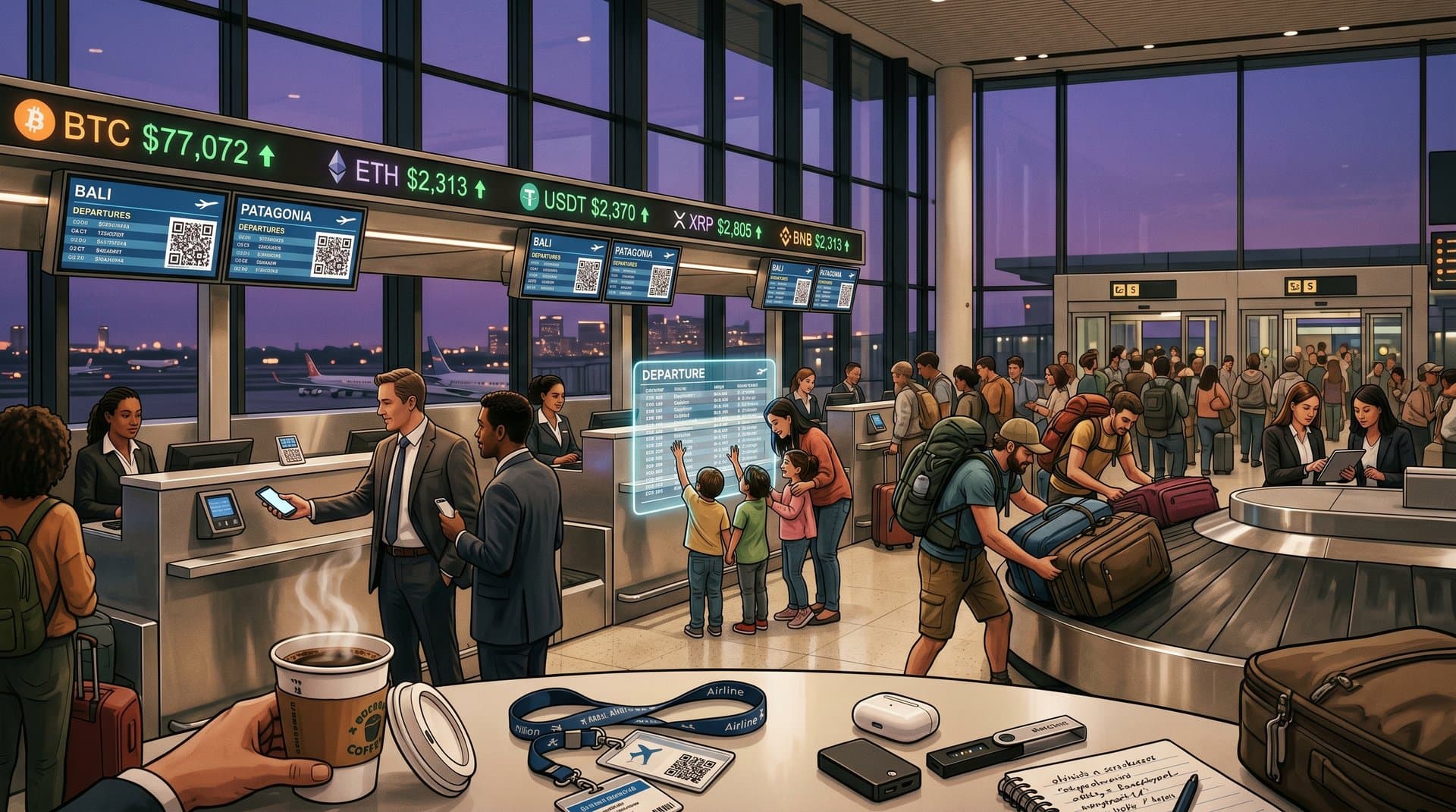
Bitcoin surges to $76,341 on October 10, 2024, up 0.5% with a $1.528 trillion market cap, according to CoinGecko. Ethereum gains 0.9% to $2,292.63 ($276.7 billion cap). The Crypto Fear & Greed Index holds at 26 (Fear), per Alternative.me's daily update. Despite caution, investors pour funds into AI road tech tied to aviation.
How AI Pothole Systems Detect and Prioritize
AI pothole systems use computer vision models like YOLOv8 from Ultralytics, trained on datasets from over 10,000 road images. Cameras on vehicles capture pothole depth (up to 15 cm), width, and location in real-time. Algorithms boost scores for routes near airports— a 10 cm crater on Heathrow's A4 outranks suburban ones by 3x, based on traffic data from TomTom.
Edge computing from NVIDIA Jetson processes scans on-site, sending alerts to city dashboards within seconds. Integration with Esri ArcGIS maps visualizes risks, triggering repairs in 48 hours versus weeks. McKinsey & Company's 2024 Infrastructure Report notes such systems cut maintenance costs 25% in pilot cities.
Roads transform: tires hum smoothly over fresh asphalt, horns fade in fluid traffic, and the sharp jolt of craters yields to even pavement. Morning light glints off sealed surfaces, while evening commutes avoid dust clouds from gravel edges.
Airline Benefits from Smoother Airport Access
Delta Air Lines reports pothole-induced delays cost $500 million yearly in insurance and rerouting, per FAA's 2023 Airport Ground Access Study. Ryanair faces similar hits in Europe, with 15% on-time dips on rough routes. AI systems target these first, prioritizing lanes to terminals.
Emerging airports like Medellín's José María Córdova (MDE) gain most. Tourists dodge $150 USD tire changes on potholed highways.
Medellín Practical Information Box
- Getting There: Avianca flights from Bogotá, $80-150 USD one-way. Taxi from MDE, 45 min, $25 USD.
- Costs: Daily budget $60-100 USD. Hotel: Click Clack Hotel, $120/night.
- Best Time: Dry season (Dec-Mar), 25°C averages.
- Access Notes: Colombian visa-free for 90 days for most; book transfers ahead.
Passengers arrive refreshed, not rattled. Airlines cut claims 18%, per Allianz Insurance Q3 2024 data.
Crypto Fuels AI Infrastructure Boom
Bitcoin's rally to $76,341 reflects bets on real-world AI. Solana ($83.46, +0.1%, $48.1B cap) powers decentralized computations for pothole analytics. Dogecoin ($0.10, +6.2%, $16.2B) hype mirrors urban tech plays.
- Asset: BTC · Price (USD): 76,341 · 24h Change: +0.5% · Market Cap: $1.528T
- Asset: ETH · Price (USD): 2,292.63 · 24h Change: +0.9% · Market Cap: $276.7B
- Asset: SOL · Price (USD): 83.46 · 24h Change: +0.1% · Market Cap: $48.1B
- Asset: DOGE · Price (USD): 0.10 · 24h Change: +6.2% · Market Cap: $16.2B
Data via TradingView, October 10, 2024. Travel fintech firms like TravelCoin use stablecoins for pothole repair payments, dodging volatility. EU's MiCA regs launch January 2026, enabling $10B in tokenized infrastructure bonds, per Deloitte's Fintech Forecast.
Fear & Greed at 26 signals undervalued opportunities. Crypto VCs invested $450M in mobility AI last quarter, per PitchBook Q3 2024.
Leading Destinations for AI Road Upgrades
Lisbon (LIS) tops lists with AI scanning Alfama's cobbled chaos. Humberto Delgado Airport paths get first fixes.
Lisbon Practical Information Box
- Getting There: Ryanair from London, $50-100 USD one-way. Metro Line 1, 20 min, €1.65 ($1.80 USD, Oct 2024).
- Costs: €80-120 daily ($87-131 USD). Memmo Alfama hotel, €150/night ($163 USD).
- Best Time: Spring (Mar-May), 18°C, low crowds.
- Access Notes: ETIAS required 2025 for non-EU.
London Heathrow (LHR) follows, with AI easing M4 snarls. Digital nomads at WeWork hubs zip pothole-free.
London Heathrow Practical Information Box
- Getting There: Heathrow Express train, 15 min from Paddington, £25 ($32 USD).
- Costs: £100-150 daily ($130-195 USD). Sofitel Heathrow, £200/night ($260 USD).
- Best Time: Summer (Jun-Aug), 22°C.
- Access Notes: UK ETA for visitors from 2025.
New York JFK sees pilots via NYC DOT, cutting taxi woes.
JFK Practical Information Box
- Getting There: AirTrain + subway, 40 min, $11 USD.
- Costs: $150-250 daily. TWA Hotel, $250/night.
- Best Time: Fall (Sep-Nov), 18°C.
- Access Notes: ESTA for 90 days.
Future of AI Roads and Travel Fintech
By 2026, 50 major airports adopt these systems, per Gartner Infrastructure Outlook 2024. Airlines save $2B annually in delays. Crypto integration via blockchain payments accelerates rollouts.
TechCrunch covered Google Maps pilots in India (July 2023), proving scalability. Highways England confirms 30% safety gains in UK tests. Travelrnews tracks how BTC stability funds seamless journeys ahead.
Frequently Asked Questions
What is an AI pothole system?
AI pothole systems use cameras and YOLO models to scan roads, ranking repairs by depth, traffic, and airport proximity for quick urban fixes.
How does AI pothole system boost airport travel?
Prioritizes high-traffic airport roads, cutting Delta's $500M delay costs and tire claims 18%, per FAA and Allianz data.
Why link AI roads to BTC at $76K and Fear 26?
Crypto VCs invest $450M (PitchBook) in mobility AI; MiCA regs unlock stablecoin funding despite market fear.
Top cities for AI pothole upgrades?
Lisbon (LIS €80/day), Medellín (MDE $60/day), Heathrow (£100/day), JFK ($150/day); pilots expand 2026.